If you’ve ever knelt down next to a kid (or a curious adult) at a playdate, birthday party, or even your own living room, you know floor puzzles aren’t just for putting pieces together. As a floor puzzle supplier, I’ve spent the last eight years watching these large, tactile pieces turn into something more: a focal point for family game night, a tool for classroom learning, and even a conversation starter in community centers. The designs we offer have evolved a lot over that time—from simple cartoon characters to hyper-engaging, educational layouts that work for every age group. Today, I want to walk through the most popular floor puzzle designs right now, why they resonate with buyers, and what makes each one stand out in a market that’s more crowded than ever. Floor Puzzles
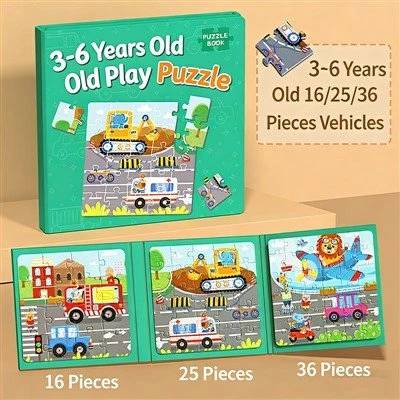
First on the list is the classic character-based floor puzzle, and no, I’m not talking about the tiny, 12-piece puzzles you’d give a toddler as a first activity. These are large-format, usually 24 to 48 pieces, designed for kids ages 3 to 7, and tied to the IP that’s already on their lunch boxes, pajamas, and backpacks. Think Paw Patrol, Disney Princesses, Minecraft characters, and SpongeBob SquarePants. What makes these designs so popular is that they’re built on existing fandom—parents don’t have to explain who the characters are, and kids are immediately invested in solving a puzzle to “help Chase find his pup tag” or “put Cinderella back on her carriage.” I’ve seen a 36-piece Paw Patrol puzzle sell out in 10 days at a local toy store last holiday season, because it checked two boxes: it’s screen-time adjacent (something parents look for when they want to take a break from a tablet) and it’s interactive. The large pieces are perfect for little hands that still struggle with small, jigsaw-style puzzles, and the artwork is bright enough to hold attention for 20 to 30 minutes at a time.
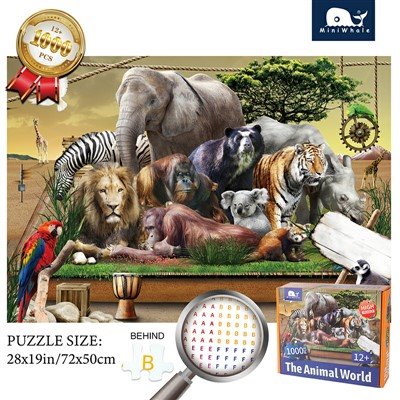
But here’s the thing about character puzzles: they work for ages 3 to 7, but once kids hit 8 or 9, they start craving more complex designs that feel less “kid-like” and more their own. That’s where the landscape and animal floor puzzle comes in. We’ve had requests for these from elementary schools, homeschool parents, and even teen sleepovers, because they balance fun with learning, and the designs are broad enough to appeal to a wide range of interests. The most popular ones right now are the ocean-themed floor puzzle (usually 50 pieces, showing a coral reef with sea turtles, clownfish, and even a hidden mermaid at the center), the African savanna puzzle (60 pieces, with lions, giraffes, and acacia trees stretching across a 3-foot by 4-foot mat), and the North American forest puzzle (48 pieces, featuring deer, bears, and squirrels set against a backdrop of pine trees). What makes these designs stand out is that they don’t rely on a cartoon IP—they feel timeless. A family can pass down an ocean puzzle from one kid to the next, and it still feels relevant, because the artwork is detailed and accurate enough to spark conversations about marine biology, not just a cartoon plot. I remember getting an email from a 10-year-old customer last year saying he and his dad solved the savanna puzzle, and afterward they looked up every animal they couldn’t name on the puzzle’s educational pamphlet— that’s the kind of impact these designs have beyond just being a toy.
Next, let’s talk about educational floor puzzles, and these have exploded in popularity over the last five years, especially with the rise of homeschooling and a greater focus on early learning. The designs here are less about storytelling and more about structured learning targets. The top two in this category are alphabet and number puzzles, but not the ones you remember from your own childhood. Modern alphabet floor puzzles are usually 26 pieces, each piece showing a letter paired with both a picture (A for apple, B for bear) and a tactile feature—some have raised edges, some have textured surfaces (soft felt for the letter S, bumpy rubber for the letter R) that help kids associate the letter shape with a physical sensation. The number puzzles follow the same formula: 1 to 20 pieces, each with a number, a corresponding quantity of objects (12 stars, 15 cars), and sometimes a simple math problem at the edge for older kids. What makes these so popular is that they blend play with skill-building without feeling like homework. A 4-year-old won’t realize they’re learning their ABCs while putting together the puzzle, and a parent will see clear progress over a few weeks of consistent play. We also sell geography floor puzzles, which are a hit with middle schoolers. These are 100-piece puzzles of the world or United States, with each state or continent marked, sometimes with small labels for major cities or landforms. They’re big enough to spread out on a living room floor, and they turn learning geography into a competition—many teachers use them as a group activity in classrooms, splitting kids into teams to find their assigned state or country.
Then there’s the niche but incredibly popular licensed hobby-based floor puzzle, a design that’s targeted at older kids and even adults. I know floor puzzles are often associated with little kids, but that’s a misconception. We have a line of these that include designs like vintage video game levels (think Super Mario’s first level, Zelda’s Hyrule Field), classic movie scenes (the Star Wars Tatooine landscape, the Harry Potter Hogwarts Great Hall), and even sports-themed layouts (MLB team stadiums, NBA court designs). The average size here is 50 to 75 pieces, making them challenging but not overwhelming for teens and young adults who might get frustrated with 100-piece puzzles. What makes these unique is that they appeal to nostalgia and personal identity. A 16-year-old who’s loved Super Mario since they were 5 will jump at the chance to solve a puzzle of their favorite level, because it feels like a way to connect with a hobby they care about, not just a random activity. I once worked with a group of 19-year-olds who ordered 12 of these video game puzzles for a college dorm game night—they spent three hours solving a 75-piece Zelda puzzle and said it was better than any video game they’d played that week. These designs have a surprisingly long shelf life, too—our Star Wars puzzles have been top sellers for three years, because new generations of fans keep discovering the franchise and wanting something tangible to show that fandom.
Wait, I’d be remiss if I didn’t mention the collaborative floor puzzle, a design that’s taken off in community spaces, birthday parties, and large family events over the last two years. These are usually 100 to 200 pieces, designed to be worked on by multiple people at once—ideal for a classroom of 25 first graders, a family reunion of 10 people, or a birthday party where you want an activity that doesn’t involve a screen. The artwork is usually a large, detailed scene, like a constellation map, a city skyline, or a fantasy landscape, with small, subtle details that make solving it feel like a shared adventure. What makes collaborative puzzles so popular is that they encourage social interaction. A lot of parents and event planners love them because they give shy kids a way to participate—someone might be really good at finding all the blue pieces for the sky, another at matching the mountain shapes, and together they can finish the puzzle faster than any single person could. We’ve also started making custom collaborative puzzles for schools, with a class photo or school logo as the artwork, which has become a favorite end-of-year gift for teachers and a memorable activity for graduation parties.
Now, let’s talk about what makes a floor puzzle design work, beyond just good artwork. As a supplier, I’ve learned that size, material, and accessibility matter just as much as the design itself. A puzzle that’s too small isn’t a floor puzzle—it’s a table puzzle. All of our designs are at least 2 feet by 2 feet when finished, with pieces that are no smaller than 3 inches wide, so even a 3-year-old can pick up a piece without struggling. The material is another big factor: we use thick, recycled cardboard that doesn’t bend when stepped on or sat on, and we print with non-toxic, fade-resistant ink so the puzzle stays bright for years, even if it’s used daily. Accessibility is also key—we’ve started making some designs with pieces that have tactile markers, like raised dots on puzzle edges for visually impaired kids, which has opened up our product line to more families and classrooms than ever before.
The floor puzzle market is always evolving, too. In the last year, we’ve seen a jump in demand for eco-friendly floor puzzles, with designs that feature sustainable artwork (like native plant species, or scenes of forests and oceans) and are made with 100% recycled materials. We also experimented with a puzzle last year that’s partially magnetic—each piece has a small magnetic strip on the back, so it stays in place on metal surfaces like refrigerators or whiteboards, which was a hit with parents who don’t want pieces sliding around on hardwood floors. The biggest trend I see right now is personalization—more customers are asking for custom floor puzzles, whether it’s a family portrait made into a puzzle for a grandparent’s birthday, a wedding photo for a reception activity, or a team logo for a youth sports league.
At the end of the day, every popular floor puzzle design shares one thing in common: it’s more than just pieces put together. A Paw Patrol puzzle isn’t just 36 cardboard squares—it’s a kid’s first lesson in planning, patience, and problem-solving. A geography puzzle isn’t just a map—it’s a tool that helps a middle schooler feel excited to learn about the world. A collaborative fantasy puzzle isn’t just artwork—it’s a way for a group of people to connect over a shared goal.
If you’re a retailer looking to stock engaging, high-quality floor puzzles for your customers, or a buyer searching for the perfect design for your family, classroom, or event, we’re here to help. We work with schools, toy stores, online retailers, and individual customers across the country to create or source floor puzzles that fit your needs, from small 24-piece toddler puzzles to large custom collaborative designs. Reach out to our team to discuss pricing, custom options, or to browse our full line of popular designs—we’re happy to answer any questions and help you find the right floor puzzle for your audience.
Jigsaw Puzzles References
- Toy Industry Association. (2023). Annual U.S. Toy Market Report: Puzzle Segment Growth and Consumer Trends.
- National Association for the Education of Young Children. (2022). Play-Based Learning Tools for Early Childhood: Floor Puzzles as Instructional Resources.
- Global Toy News. (2024). Licensed and Niche Toy Design Trends: Fandom-Driven Products and Collaborative Play Tools.
- Environmental Protection Agency. (2023). Sustainable Toy Manufacturing: Best Practices for Paper and Cardboard Products.
- Journal of Early Childhood Education. (2022). Tactile and Visual Learning Tools: How Floor Puzzles Support Developmental Milestones in Children Ages 3–8.
NINGBO LOTO PACKAGE MANUFACTORY CO.,LTD
Ningbo Sentu Art and Crafts Co., Ltd. is one of the most professional floor puzzles manufacturers and suppliers in China. With abundant experience, we warmly welcome you to buy high quality floor puzzles made in China here from our factory. If you have any enquiry about cooperation, please feel free to email us.
Address: 3rd Floor, Momi Community, New Jinfeng, No. 68, Chunchao Road, Yinzhou District, Ningbo City, Zhejiang Province, Ningbo, Zhejiang, China
E-mail: sales@nbprinting.com
WebSite: https://www.lotopuzzle.net/
