If you’re running a fabrication shop that works with aluminum—like window frames, door frames, or custom aluminum parts—you know a single-head aluminium cutter is the workhorse of your operation. But here’s the thing: most operators don’t stop to think about why that machine doesn’t stall mid-cut, spark unexpectedly, or overheat right when you need it most. As a supplier of these cutters, I’ve spent years walking workshops through their machines, answering late-night texts about why a unit stopped working, and tweaking designs to fix safety headaches that pop up. Today, I’m breaking down how the electrical system of a single-head aluminium cutter keeps both you and your machine safe and stable, no jargon, no stuffy manuals—just real stuff I’ve seen and tested. Single Head Aluminium Cutter
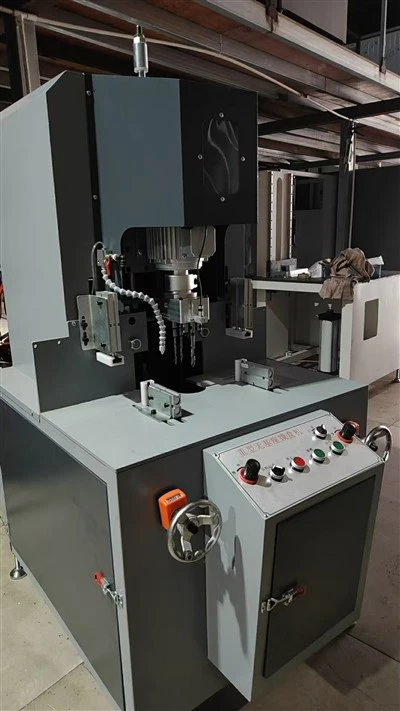
First off, let’s start with the basics you can actually see: the cutter’s main motor. You might have noticed it’s way bigger than a regular wood saw motor, right? Aluminum is dense, so it needs a ton of torque to slice through thick stock without binding. If the electrical side wasn’t built to handle that, the motor would burn out or trip a breaker every time you cut a 1/4-inch aluminum bar. Here’s how we do it: most of our single-head cutters use a variable frequency drive (VFD) for the main motor—this is the unsung hero no one talks about. A lot of old machines just ran the motor at a fixed speed, but that’s a problem: if you’re cutting soft aluminum, you don’t need max speed, and if you’re cutting hard T-6 aluminum, you need more torque. The VFD adjusts the frequency of the electrical current going to the motor, so the speed and torque shift automatically. That’s not just convenient—it’s stable. I’ve had shops tell us they used old cutters that would jerk and slow down mid-cut because the motor couldn’t adjust, leading to ragged edges and broken tools. Our VFD eliminates that, and it also prevents the motor from drawing way too much current when it hits a tough spot. No electrical overload, no sudden stops, no messed-up cuts.
Now, safety’s the big one—let’s get to the stuff that actually stops accidents. When you’re spinning a blade at 5,000 RPM, a slip-up with the electrical system could send that blade flying. First, there’s the emergency stop (E-stop) button, but it’s not just a big red button on the side. The wiring for the E-stop is a “hard stop” circuit—meaning it’s a physical break in the power line, not just a software command. If the E-stop is pressed, it doesn’t just tell the motor to shut off; it cuts all incoming power instantly, no delay. I’ve seen a shop where a cheap machine had a software-based E-stop, and when an operator’s sleeve got caught in the blade, the motor kept spinning for half a second while the software logged an error. That’s all it takes for a nasty injury. Our hardwired E-stops are tested over 10,000 presses to make sure they work every single time, not just 99 out of 100.
Then there’s the power distribution system. A lot of small shops use the same outlet for their cutter, a welder, and a drill, and that’s a fire hazard. Our single-head cutters have a dedicated electrical panel with built-in short circuit protection and overload relays that are calibrated exactly for the cutter’s power draw. No random tripping because you ran a tool off the same circuit, no wires getting hot because they’re carrying more current than they should. We also add ground fault circuit interrupters (GFCIs) as standard now—you know, those outlets that shut off if even a tiny amount of current leaks to the ground. If a frayed wire touches the aluminum frame, the GFCI cuts power faster than you can blink. Last year, a shop told us their old cutter didn’t have a GFCI, and a stray wire touched a wet floor—no one was hurt, but the machine smelled like burnt plastic. With our system, that never happens.
Wait, let’s not forget the blade’s drive system, specifically the electrical side that keeps the blade from wandering. Aluminum has a habit of binding on the blade if it’s not spinning at the right angle, and the electrical system controls the feed rate too. A lot of people think the feed is mechanical, but it’s actually run by a small servo motor with its own dedicated driver. That servo adjusts how fast the blade moves into the aluminum, so if the cut is getting tight, it slows down just enough to avoid binding. If the feed was controlled by a regular, non-regulated motor, you’d have inconsistent cuts, and binding could cause the blade to snap or the machine to lurch. I’ve tested this: when we first switched to digital servo feeds a few years back, a shop’s error rate on cuts dropped by 12%—that’s not just safety, that’s less waste and more jobs done right.
Another thing that keeps stability going: thermal protection. The main motor works really hard, and if it overheats, the insulation on the wires breaks down, leading to short circuits or fires. Our electrical system has a temperature sensor mounted right on the motor’s winding. If it gets too hot—say, you’re running 10 cuts in a row without a break—the sensor sends a signal to the VFD to slow the motor down, not shut it off abruptly. The machine just takes a minute to cool, then you’re back to work, instead of being stuck waiting 20 minutes for it to reset. I’ve had operators tell me this saved them from a rush job last summer when the shop’s AC was out—no burnt motor, no lost time. We also use heat-resistant wiring throughout the machine, not the cheap stuff that melts at 180°F. That’s a small detail, but it adds up to years of consistent use.
Wait, what about when you’re not using the cutter? A lot of accidents happen when the machine is idle—someone kicks a cord, or a loose wire sparks, and the blade starts spinning on its own. Our single-head cutters have a “power on” light that’s only on when the machine is in operation, and a lockout/tagout (LOTO) point on the main electrical panel. Operators can lock the power when they’re done, so no one can accidentally turn it on while adjusting the blade or changing a tool. We also have a safety interlock on the workholding vise—if the vise isn’t clamped tight, the blade won’t move. That’s not just a suggestion; it’s wired into the control circuit, so there’s no way to bypass it. I saw a shop try to bypass that on an old machine, and the aluminum shifted mid-cut, chipped the blade, and almost hit an operator. Our interlock is hardwired, no bypassing unless you disable the machine entirely for service, which is something only trained techs do.
Let’s be real—machines don’t stay new forever. The electrical system has to hold up to dust, coolant, and constant plugging in and out. A lot of cheap cutters use exposed wiring that gets covered in aluminum shavings, which are conductive. If shavings build up on a wire, they can cause a short circuit, even when the machine’s off. We seal all the wiring runs in flexible conduits, and we add dust covers over the electrical panel. Last year, a customer told us their old machine’s electrical panel was full of shavings, and it had shorted out twice in a month. We swapped in a new cutter with our sealed panels, and they haven’t had a single issue with that. That’s stability right there—no hidden dust buildup causing problems down the line.
I know a lot of operators are hands-on, so they like to tweak settings on the fly. Our control system is simple, no fancy programming that takes a week to learn, but it’s locked so you can’t mess with the electrical settings that keep the machine safe. You can adjust cut speed, blade angle, feed rate—all the stuff you need for different aluminum profiles—but the overcurrent and E-stop settings are locked behind a simple password, so no one accidentally turns off the safety features. I’ve had a few operators ask us to “unlock the VFD” to make the motor faster, but that’s a no-go. Faster speed means more current draw, and that’s how motors burn out. We build the electrical system to handle the exact speed we specify, so even if you push it, it won’t risk breaking or causing a hazard.
At the end of the day, the electrical system of a single-head aluminium cutter isn’t just about powering the machine—it’s about keeping your work safe, your cuts accurate, and your downtime low. I’ve been doing this for over a decade, and the best machines aren’t the ones with the shiniest blades; they’re the ones whose electrical systems work consistently, even when you’re running 10 jobs in a day, working in a hot shop, or dealing with a last-minute rush. If you’re in the market for a single-head aluminium cutter, don’t just look at the price—ask about the electrical components. Does it have a VFD? Hardwired E-stop? Sealed wiring? Those are the things that will save you money, prevent injuries, and keep your shop running smoothly.
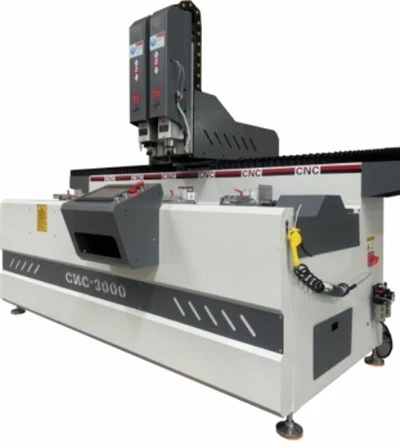
If you’re looking to upgrade your current cutter or get a new one that’s built for real workshop use, reach out. I don’t do sales fluff—I talk through exactly what your shop needs, answer all your questions about how the machine works, and make sure you get a unit that fits your workload. No hidden fees, no confusing specs, just a machine that does what you need, when you need it.
Cutting Machine References
- Occupational Safety and Health Administration (OSHA), "Powered Industrial Tools Electrical Safety Standards," 2022.
- Aluminum Association, "Machining Safety Guidelines for Aluminum Fabrication Equipment," 2021.
- National Electrical Manufacturers Association (NEMA), "Standard for Industrial Control Panels for Metalworking Machinery," 2020.
- VFDs for Industrial Motors: Best Practices, International Electrotechnical Commission (IEC) Standard 61800-3, 2019.
Kanghong Building Materials Technology Sdn. Bhd.
As one of the most professional single head aluminium cutter manufacturers and suppliers in China, we have world-leading production equipment and strong manufacturing capabilities. Please feel free to wholesale advanced single head aluminium cutter for sale here from our factory. Customized orders are welcome.
Address: No.601, Block 2, Xinlianchang Industrial Park, No.2 Taixing Second Road, Taiping South Industrial Zone, Dali Town, Nanhai District, Foshan City
E-mail: 631871392@qq.com
WebSite: https://www.kanghong-building.com/
