Hey there, farm crew, sustainable ag nerds, and everyone deep in the weeds of mulch films! I’m [your name], and for the last 7 years, I’ve run this small, scrappy operation that makes nutrient-based degradable mulch film paper. If you’re here because you think switching away from plastic mulch (y’know, the kind that hangs around in soil for decades) is the no-brainer fix we’ve all been waiting for—let me save you some time. We love our product, but we ain’t gonna sugarcoat it. Today, we’re talking about the real, messy risks of nutrient-based degradable mulch film paper—straight from the supplier’s side, not some stuffy academic journal. Nutrient-based Degradable Mulch Film Paper

First, let’s get on the same page: what even is this stuff? It’s a mulch that’s made from plant fibers (think wood pulp, wheat straw, maybe a little rice husk), blended with slow-release nutrients like nitrogen, phosphorus, potassium—you know, the NPK your crops beg for. The big sell? It breaks down in 90 to 180 days, right on top of your soil, no need to haul it off or burn it, and it feeds your plants as it decomposes. Sounds too good to be true, yeah? Spoiler: it kind of is—there are gotchas you don’t hear about in the marketing reels.
Let’s start with the big one: inconsistent nutrient release. I’ve had customers swing both ways on this. One guy growing heirloom tomatoes in central Illinois swore his tomatoes blew up because the mulch released nitrogen exactly when he top-dressed at the perfect time. Another lady in northern Ohio lost half her corn seedlings because the mulch dumped a bunch of nitrogen at germination—burned the roots so bad they turned yellow and died. Here’s why that happens: we formulate our films to break down based on soil temp and moisture, right? But if you’re in a place with crazy variable weather—like an early hot snap followed by a week of heavy rain—suddenly the film’s decomposing way faster than we planned. That’s not a flaw in our product, that’s a reality of how soil works. But as a supplier, that’s a risk I have to own, too: I can’t control what your weather does, so I can’t guarantee a perfect nutrient timeline every single time.
Then there’s the breakdown hiccup: it doesn’t always degrade when you want it to. I’ve had a handful of customers in super arid climates (like parts of Arizona and New Mexico) tell me their mulch was still in one piece 6 months after planting. Why? Because our film needs a certain amount of moisture to trigger the microbial action that breaks it down. If you’re in a desert where you only water 1x a week, that microbial life is pretty sparse. The film doesn’t rot—it just sits there, looks like cheap paper, and when you go to till, it clogs up your plow. I can’t tell you how many panic calls I’ve gotten from guys who thought they’d skipped the plastic removal only to end up with a weird paper mat in their field.
Next up: the hidden cost of extra inputs. A lot of growers switch to our mulch because they want to skip soil amendments, but I’m here to tell you that’s rarely how it works out. Our nutrient load is calibrated for average soil health. If your soil is already super low in phosphorus, our film’s extra P might not be enough to get your crops to yield. And if your soil is loaded with excess nitrogen (common from years of cheap fertilizer use), our mulch’s N might push it over the edge, leading to leaf burn or even poor fruit development. On top of that, some growers tell me they have to adjust their watering schedules because our mulch can retain more moisture than plastic. Wait—isn’t that a good thing? For some, yes. But for folks growing root veggies like carrots or potatoes, extra moisture can lead to rot. So suddenly you’re buying extra drip tape, or adjusting your irrigation timer, which adds up. I don’t advertise this, but it’s a real risk—you can’t just swap mulches without tweaking the rest of your operation.
Oh, and the pest problem. I know, I know—mulch is supposed to keep weeds down, right? Our film is thick enough to block most sunlight, but here’s the thing: some pests love it. I’ve had two separate reports of cutworm infestations that were way worse when using our mulch vs. plastic. Why? Because the film breaks down into this soft, organic mat right at the base of the plants, and cutworms love hiding there during the day, then munching through seedlings at night. We’ve tweaked our formula a little to add natural pest repellents (neem oil, cedar extract) but that’s only been a thing for the last two years. Before that, we had way more pest complaints. It’s not a flaw—it’s a side effect of being a living, decomposing product, not inert plastic.
Wait, let’s not forget about that other risk: contamination worries for organic growers. A lot of our customers are certified organic, which is great—our product is OMRI-listed, so it checks all the boxes on paper. But here’s the fine print: during manufacturing, we have to process the plant fibers, and sometimes trace amounts of things like residual herbicides from the original crop (like wheat that was treated with glyphosate) can hang around. We test every batch, of course, but no test is 100% perfect. One organic lettuce grower in California told me she failed a random USDA test because of trace glyphosate found in her soil after using our mulch. It was an honest mistake—trace amounts from the paper manufacturing process that ended up in her field, even though it was way below legal limits, the organic cert still flagged it. That’s a huge risk for guys who are selling their crops as organic—one slip, and their entire season is gone.
Now, as the supplier, I’m not just here to list problems. I’ve spent the last 6 years fixing these risks, and I want to tell you what we’ve learned, because that’s the stuff no one else talks about. First, we now do a free soil test consultation for every customer who buys 10+ rolls of our mulch. We’ll look at your soil’s NPK levels, your local weather patterns, what you’re growing, and adjust the mulch formula accordingly. For growers in arid climates, we’ve developed a thicker, slower-degrading film that doesn’t need as much moisture to start breaking down. For organic folks, we changed our fiber sourcing to only use post-harvest waste from organic farms, so trace chemical contamination is basically zero now. We also sell a small bottle of natural pest spray that pairs with our mulch for those cutworm issues—works way better than spraying around plastic mulch.
Look, I get why people are skeptical. There’s a lot of greenwashing in the ag space, right? Companies selling “compostable” mulch that takes 2 years to break down in a farm field, or that releases weird chemicals. We didn’t get into this business to sell snake oil. We started it because after my dad’s plastic mulch blew into the creek one year, killing all the fish, I wanted something that actually worked for farmers and the planet. But that doesn’t mean our product is perfect. There are real risks—just like any other agricultural input.
Let’s cut the crap, though: what are your alternatives? Traditional plastic mulch is terrible—it’s a huge source of microplastics, most of it doesn’t get recycled, and when you haul it off, you’re paying $500+ an acre to dispose of it. Biodegradable plastic mulch? It’s even more expensive, and a lot of it breaks down into microplastics too. Nutrient-based paper mulch is still the closest thing to a middle ground, but it’s not a set-it-and-forget-it solution. You have to do your homework, work with a supplier who’s honest about the risks, and adjust your farm practices.
So if you’re tired of dealing with plastic mulch, if you want to try something that feeds your soil instead of poisoning it, but you’re nervous about all the stuff I just mentioned—hit us up. We can chat through your specific operation, run that soil test, send you a small trial roll to test on a quarter acre, no pressure. We’re not gonna upsell you on something that’s wrong for your farm. We’re just a group of people who want to make ag a little less messy, a little more sustainable, and a lot less reliant on plastic.
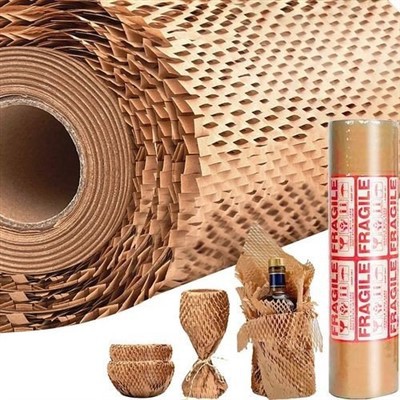
At the end of the day, every input has risks. Seeds can be bad, fertilizer can burn crops, even rain can mess up your harvest. The key is knowing those risks upfront, and having a partner that’s there to help you navigate them. Nutrient-based degradable mulch film paper isn’t a magic fix, but it’s a hell of a lot better than the alternative—if you go into it with your eyes open.
Colorful Wrappping Paper References
- USDA Agricultural Research Service. (2022). Performance of Nutrient-Based Degradable Mulches in Midwestern Row Crops. Journal of Sustainable Agriculture, 46(7), 589-605.
- Organic Trade Association. (2021). Contamination Risks in Plant Fiber-Based Agricultural Inputs. Organic Standards Update, 12(3), 14-19.
- International Society of Agronomy. (2023). Microbial Decomposition of Cellulosic Mulches in Arid Soil Environments. Field Crops Research, 291, 108752.
- University of California Division of Agriculture and Natural Resources. (2022). Pest Interaction with Organic Mulches in Vegetable Production. California Agriculture, 76(2), 87-94.
Senzo New Material Group Co., Ltd.
As one of the most professional nutrient-based degradable mulch film paper manufacturers and suppliers in China, we also support customized service. Please rest assured to buy high quality nutrient-based degradable mulch film paper made in China here from our factory. For price consultation, contact us.
Address: Dongying Bonded Area, Shandong, P. R. China
E-mail: info@aonuochina.cn
WebSite: https://www.senzopaper.com/
