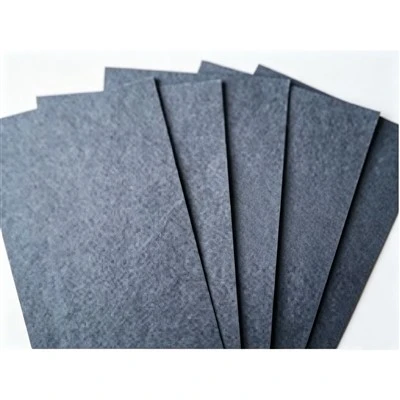
As a provider of wet paper-based friction linings, I’ve witnessed firsthand the crucial role that mating materials play in the performance and durability of these products. Wet paper-based friction linings are extensively used in various applications, including automotive transmissions, industrial clutches, and marine systems, where reliable friction performance and heat dissipation are essential. In this blog post, I’ll delve into the impact of mating materials on wet paper-based friction linings, exploring how different materials can affect friction, wear, and overall system performance. Wet Paper-based Friction Lining
Friction Characteristics
One of the primary ways in which mating materials influence wet paper-based friction linings is through their effect on friction characteristics. Friction is the force that resists the relative motion between two surfaces in contact, and in the context of wet paper-based friction linings, it is what enables the transmission of torque and the control of motion. The choice of mating material can significantly impact the coefficient of friction, which is a measure of the frictional force between two surfaces.
For example, mating materials with a high surface roughness or hardness can increase the coefficient of friction by providing more contact points and increasing the interlocking between the friction lining and the mating surface. This can be beneficial in applications where high torque transmission is required, such as in heavy-duty automotive transmissions or industrial machinery. However, excessive surface roughness or hardness can also lead to increased wear on the friction lining, reducing its lifespan and performance.
On the other hand, mating materials with a smooth surface finish or low hardness can result in a lower coefficient of friction. This may be desirable in applications where precise control of the frictional force is required, such as in automotive automatic transmissions or marine clutches. A lower coefficient of friction can also reduce wear on the friction lining, improving its durability and reliability.
Wear Resistance
In addition to friction characteristics, the choice of mating material can also have a significant impact on the wear resistance of wet paper-based friction linings. Wear is the gradual removal of material from the surface of the friction lining due to the relative motion between the lining and the mating surface. Excessive wear can lead to a decrease in friction performance, increased noise and vibration, and ultimately, failure of the friction system.
The wear resistance of wet paper-based friction linings is influenced by several factors, including the hardness, surface roughness, and chemical composition of the mating material. Mating materials that are too hard or have a high surface roughness can cause abrasive wear on the friction lining, leading to premature failure. Conversely, mating materials that are too soft or have a low surface hardness may not provide sufficient support for the friction lining, resulting in deformation and accelerated wear.
In addition to mechanical wear, the chemical composition of the mating material can also affect the wear resistance of wet paper-based friction linings. Some mating materials may react with the friction lining or the transmission fluid, causing chemical degradation or corrosion. This can lead to a decrease in friction performance and an increase in wear, reducing the lifespan of the friction lining.
Heat Dissipation
Another important factor to consider when choosing a mating material for wet paper-based friction linings is its ability to dissipate heat. During operation, the friction between the lining and the mating surface generates heat, which can cause the temperature of the friction system to rise. Excessive heat can have a detrimental effect on the performance and durability of the friction lining, leading to thermal degradation, reduced friction performance, and increased wear.
The heat dissipation properties of the mating material are influenced by its thermal conductivity, surface area, and material thickness. Mating materials with high thermal conductivity can transfer heat away from the friction lining more efficiently, reducing the temperature of the friction system and improving the performance and durability of the lining. Additionally, mating materials with a large surface area or thin material thickness can provide more surface area for heat transfer, further enhancing the heat dissipation capabilities of the friction system.
Compatibility with Transmission Fluid
The compatibility of the mating material with the transmission fluid is also an important consideration when choosing a mating material for wet paper-based friction linings. Transmission fluid plays a crucial role in lubricating the friction system, reducing wear, and dissipating heat. However, some mating materials may react with the transmission fluid, causing chemical degradation or corrosion. This can lead to a decrease in friction performance, increased wear, and ultimately, failure of the friction system.
It is important to choose a mating material that is compatible with the transmission fluid used in the application. This can be determined through testing and evaluation of the compatibility between the mating material and the transmission fluid. Additionally, the transmission fluid should be regularly monitored and changed to ensure its proper performance and compatibility with the mating material and the friction lining.
Conclusion
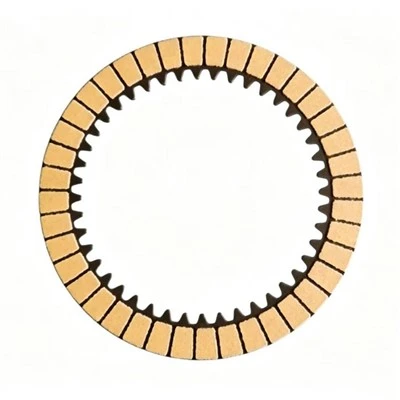
In conclusion, the choice of mating material has a significant impact on the performance, durability, and reliability of wet paper-based friction linings. When selecting a mating material, it is important to consider factors such as friction characteristics, wear resistance, heat dissipation, and compatibility with the transmission fluid. By carefully choosing the mating material, it is possible to optimize the performance of the friction system and ensure the long-term reliability of the application.
Mulch Film Paper As a supplier of wet paper-based friction linings, I am committed to providing high-quality products and technical support to our customers. If you are interested in learning more about the impact of mating materials on wet paper-based friction linings or if you have any questions about our products, please feel free to contact me for a consultation. I look forward to the opportunity to work with you to meet your specific needs and requirements.
References
- Bhushan, B. (2013). Principles and Applications of Tribology. John Wiley & Sons.
- Erdemir, A., & Eryilmaz, O. L. (2007). Nanotribology and Nanomechanics: An Introduction. Springer Science & Business Media.
- Holmberg, K., & Matthews, A. (2017). Tribology: Friction and Wear of Engineering Materials. Elsevier.
Shanghai Rongying Industrial Co., Ltd.
As one of the most professional wet paper-based friction lining manufacturers and suppliers in China, we’re featured by quality products and good price. Please rest assured to wholesale customized wet paper-based friction lining from our factory. If you have any enquiry about quotation and free sample, please feel free to email us.
Address: Jiahua Business Center C building 204 room, No.808 Hongqiao Road,Xuhui District,Shanghai,China
E-mail: info@shryspecialtypaper.com
WebSite: https://www.woolpaper.com/
