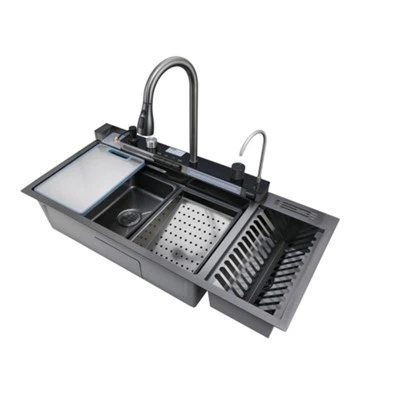
Hey there, fellow DIY enthusiasts and kitchen lovers! I’m [Your Name], and I run a business that supplies top – notch stainless steel farmhouse sinks. Over the years, I’ve seen a lot of folks dealing with issues related to sink drains. And today, I’m gonna share with you how to replace the drain in a stainless steel farmhouse sink. Stainless Steel Farmhouse Sinks
Why Replace the Drain?
First off, you might be wondering why you need to replace the drain in the first place. Well, there are a few common reasons. One of the most obvious ones is a clog. If you’ve tried every drain cleaner in the store and snaked the drain a million times, but it’s still backed up, it might be time to swap it out. Another reason could be a leak. A leaky drain can cause water damage to your cabinets and floors over time, so it’s crucial to fix it as soon as possible. And sometimes, you just want to upgrade to a better – quality drain for improved functionality.
Tools You’ll Need
Before you get started, you’ll need to gather some tools. Here’s what I’d recommend:
- Adjustable wrench: This will come in handy for loosening and tightening nuts.
- Screwdriver: You’ll probably need both a flat – head and a Phillips – head, depending on your sink setup.
- Plumber’s putty: This helps create a watertight seal between the drain and the sink.
- Basin wrench: This is a special tool that makes it easier to reach and turn nuts under the sink.
- Bucket: Place it under the sink to catch any water that might drip out when you remove the old drain.
- Pliers: Useful for gripping and pulling out small parts.
Step 1: Preparation
Turn off the water supply to your sink. There are usually two valves under the sink, one for hot water and one for cold. Just turn them clockwise until they’re fully closed. This will prevent any water from spilling out when you’re working on the drain.
Next, clear out the cabinet under the sink. Remove any cleaning supplies, sponges, or other items so you have plenty of room to work. It’s also a good idea to put on some gloves to protect your hands from sharp edges and dirty water.
Step 2: Remove the Old Drain
Start by placing the bucket under the drain to catch any water. Then, use your adjustable wrench to loosen the large nut that connects the drain tailpiece to the P – trap. The P – trap is the U – shaped pipe under the sink. Once the nut is loose, you can pull the tailpiece out of the P – trap.
Now, look up at the top of the sink. You’ll see the drain flange, which is the part that sits inside the sink. There might be a stopper or a strainer on top of it. Remove these if they’re there.
Under the sink, locate the locknut that holds the drain flange in place. Use your basin wrench to loosen this nut. It can be a bit tricky to reach, but the basin wrench is designed to fit in tight spaces. Once the locknut is loose, you can pull the drain flange out of the sink from the top.
If there’s any old plumber’s putty around the drain flange, use a utility knife to carefully scrape it off. Make sure to clean the sink hole thoroughly so the new drain will have a good seal.
Step 3: Install the New Drain
Take your new drain and apply a thin layer of plumber’s putty around the underside of the drain flange. Then, insert the drain flange into the sink hole from the top. Make sure it’s centered and level.
From under the sink, place the locknut onto the drain flange and hand – tighten it as much as you can. Then, use your basin wrench to give it a final snug tightening. Be careful not to over – tighten, as this can crack the sink.
Next, reattach the drain tailpiece to the P – trap using your adjustable wrench. Make sure the connection is tight to prevent leaks.
If your new drain came with a stopper or a strainer, install it on top of the drain flange according to the manufacturer’s instructions.
Step 4: Test for Leaks
Once you’ve installed the new drain, turn the water supply back on. Let the water run for a few minutes and check for any leaks under the sink. Look around the drain flange, the P – trap connection, and the drain tailpiece. If you see any water dripping, turn off the water and tighten the connections a bit more.
Common Mistakes to Avoid
- Not turning off the water: This can lead to a big mess, so always make sure to shut off the water supply before you start working on the drain.
- Over – tightening the nuts: As I mentioned earlier, over – tightening can crack the sink or damage the drain parts. Use your tools gently and only tighten until the connection is secure.
- Not cleaning the sink hole properly: If there’s old putty or debris in the sink hole, the new drain won’t seal properly, which can lead to leaks.
Upgrading Your Drain
If you’re thinking about upgrading your drain, there are a few features to consider. Some drains come with built – in strainers that can catch hair and food particles, which helps prevent clogs. Others have a pop – up stopper that makes it easy to fill the sink with water. And there are also material options. You can get drains made of stainless steel, brass, or plastic. Stainless steel drains are durable and resistant to corrosion, which is great for a stainless steel farmhouse sink.
As a supplier of stainless steel farmhouse sinks, I’ve seen firsthand how important it is to have a good – quality drain. Not only does it improve the functionality of your sink, but it also adds to the overall aesthetic. And if you ever run into any problems or have questions about drain replacement or sink installation in general, I’m here to help.
Whether you’re a professional plumber or a weekend DIYer, replacing the drain in a stainless steel farmhouse sink is a project that you can tackle with the right tools and a bit of know – how. So don’t be afraid to get your hands dirty and give it a try!
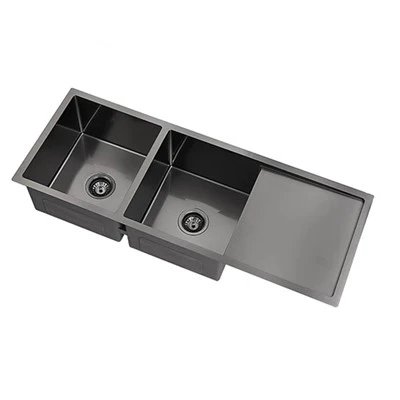
If you’re in the market for a new stainless steel farmhouse sink or need some high – quality replacement parts, I’d love to have a chat with you. Feel free to reach out and we can discuss your specific needs and see how we can work together.
Stainless Steel Multi Function Sink References:
- "The Homeowner’s Guide to Plumbing Repairs" by Mark Cramer
- "DIY Plumbing Projects for Beginners" by DIY Network
Dingyi Shichuang Co., Ltd.
As one of the most professional stainless steel farmhouse sinks manufacturers and suppliers in China, we offer a wide range of products with superior quality. Please rest assured to wholesale customized stainless steel farmhouse sinks made in China here from our factory. Contact us for free sample.
Address: Rm908, Building 4, United Fortune Plaza, Jinan Area,China (ShanDong) Pilot Free Trade Zone
E-mail: info@dingyishichuang.com
WebSite: https://www.dysckitchensink.com/
