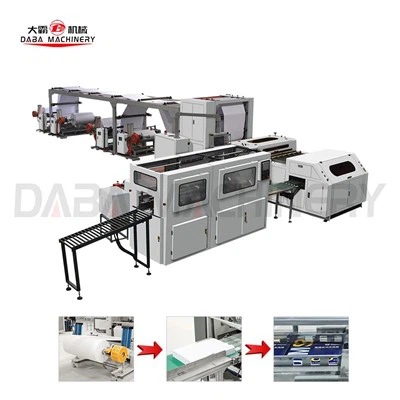
Rotogravure printing technology has long been a cornerstone in the printing industry, known for its high – quality, consistent, and high – volume printing capabilities. As a supplier of rotogravure printing machines, one of the most frequently asked questions I encounter is whether our machines can print on plastic films. In this blog, I will delve into the technical aspects, advantages, challenges, and applications of using a rotogravure printing machine to print on plastic films. Rotogravure Printing Machine
Technical Feasibility
Rotogravure printing machines are indeed capable of printing on plastic films. The basic principle of rotogravure printing involves engraving an image onto a cylinder. The engraved cells on the cylinder hold the ink, which is then transferred onto the substrate during the printing process. When it comes to plastic films, the key lies in the compatibility between the ink, the plastic material, and the printing machine.
Plastic films come in various types, such as polyethylene (PE), polypropylene (PP), polyvinyl chloride (PVC), and polyester (PET). Each type has different surface properties, including surface energy, smoothness, and chemical resistance. For a successful printing process, the surface energy of the plastic film needs to be high enough to ensure proper ink adhesion. In many cases, surface treatment methods like corona treatment are used to increase the surface energy of the plastic film. This treatment modifies the surface of the film, making it more receptive to the ink.
Our rotogravure printing machines are designed with adjustable parameters to accommodate different types of plastic films. The pressure applied during the printing process, the speed of the printing press, and the temperature can all be fine – tuned to achieve optimal printing results. For example, when printing on a thin and flexible plastic film, a lower pressure may be required to prevent the film from tearing, while a higher temperature might be needed to ensure the ink dries quickly and adheres firmly.
Advantages of Rotogravure Printing on Plastic Films
1. High – Quality Printing
Rotogravure printing is renowned for its ability to produce high – resolution and sharp images. The engraved cells on the printing cylinder can hold a precise amount of ink, allowing for accurate color reproduction and detailed graphics. When printing on plastic films, this results in vibrant and eye – catching packaging designs, which are crucial for attracting consumers in the market. For instance, in the food packaging industry, high – quality printing on plastic films can enhance the visual appeal of the product, making it more appealing on the supermarket shelves.
2. High – Volume Production
Our rotogravure printing machines are built for high – volume printing. They can operate at high speeds, producing a large number of printed plastic films in a short period. This is particularly beneficial for industries that require mass production, such as the packaging industry. For companies that produce millions of plastic film packages annually, a rotogravure printing machine can meet their production demands efficiently, reducing production time and costs.
3. Durable Printing
The ink used in rotogravure printing on plastic films is designed to be durable. It can withstand various environmental factors, such as moisture, heat, and friction. This makes the printed plastic films suitable for a wide range of applications, including outdoor advertising, industrial packaging, and food packaging. For example, plastic film labels printed with rotogravure technology can maintain their quality and appearance even when exposed to harsh weather conditions or rough handling during transportation.
Challenges in Rotogravure Printing on Plastic Films
1. Ink Compatibility
As mentioned earlier, different types of plastic films have different chemical properties. Selecting the right ink that is compatible with the specific plastic film is crucial. If the ink is not compatible, it may not adhere properly to the film surface, resulting in poor print quality, such as ink smudging or peeling. Our team of experts works closely with ink manufacturers to ensure that we can provide our customers with the most suitable ink solutions for their specific plastic film printing needs.
2. Static Electricity
Plastic films are prone to generating static electricity during the printing process. Static electricity can cause problems such as dust attraction, ink transfer issues, and even electrical shocks to the operators. To address this challenge, our rotogravure printing machines are equipped with static elimination devices. These devices can neutralize the static charge on the plastic film, ensuring a smooth and trouble – free printing process.
3. Film Handling
Plastic films are often thin and flexible, which can make them difficult to handle during the printing process. They may wrinkle, stretch, or tear if not handled properly. Our rotogravure printing machines are designed with advanced film handling systems. These systems use precise tension control and guiding mechanisms to ensure that the plastic film is fed smoothly through the printing machine, minimizing the risk of film damage.
Applications of Rotogravure Printing on Plastic Films
1. Packaging Industry
The packaging industry is the largest consumer of rotogravure – printed plastic films. Plastic films are used for packaging a wide variety of products, including food, beverages, cosmetics, and pharmaceuticals. Rotogravure printing allows for the creation of attractive packaging designs that can protect the product and enhance its marketability. For example, a rotogravure – printed plastic film can be used to create a stand – up pouch for snacks, with detailed product information and eye – catching graphics.
2. Labeling
Rotogravure – printed plastic film labels are widely used in various industries. They can be used on products such as bottles, cans, and boxes. The high – quality printing and durability of rotogravure – printed labels make them suitable for long – term use. For instance, a rotogravure – printed plastic film label on a wine bottle can provide detailed information about the wine, including its origin, vintage, and tasting notes.
3. Advertising
Plastic films printed with rotogravure technology are also used for outdoor advertising. They can be used to create large – format banners, posters, and billboards. The high – resolution printing and vibrant colors of rotogravure – printed plastic films make them highly visible and effective in attracting attention.
Conclusion
In conclusion, a rotogravure printing machine can indeed print on plastic films, and it offers numerous advantages in terms of print quality, production volume, and durability. However, there are also challenges that need to be addressed, such as ink compatibility, static electricity, and film handling. As a supplier of rotogravure printing machines, we are committed to providing our customers with the best solutions for their plastic film printing needs. Our machines are designed with advanced technology to ensure high – performance and reliable operation.
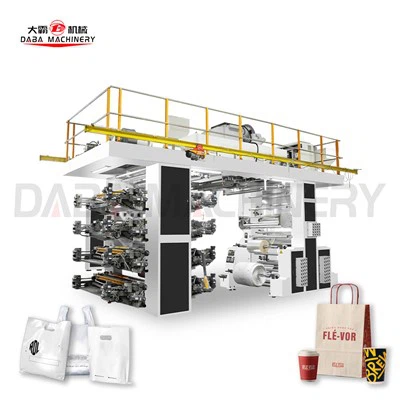
Straight Gear Flexographic Printing Machine If you are interested in purchasing a rotogravure printing machine for printing on plastic films or have any questions about our products, please feel free to contact us for a detailed consultation. We look forward to working with you to achieve your printing goals.
References
- "Rotogravure Printing Technology: Principles and Applications" – A comprehensive textbook on rotogravure printing technology.
- "Plastic Films: Properties and Applications" – A reference book that provides in – depth knowledge about different types of plastic films.
- Industry reports on the packaging and printing industries, which offer insights into the latest trends and technologies in rotogravure printing on plastic films.
Wenzhou Daba Machinery Co., Ltd.
With abundant experience, we are one of the most professional rotogravure printing machine manufacturers and suppliers in China. We warmly welcome you to wholesale advanced rotogravure printing machine at competitive price from our factory. If you have any enquiry about cooperation, please feel free to email us.
Address: Qianbu Industrial Zone, Xincheng Street, Ruian City, Wenzhou, China.
E-mail: info1@dabamachinery.com
WebSite: https://www.dabaflexpack.com/
