As a supplier of Portable Mobile Energy Storage Systems, I’ve witnessed firsthand the rapid evolution and increasing importance of these devices in our modern, on – the – go lifestyle. One crucial aspect that often gets overlooked but is fundamental to the functionality and user experience of these systems is the communication interface. Portable Mobile Energy Storage System

Understanding the Basics of Communication Interfaces in Portable Mobile Energy Storage Systems
A communication interface in a portable mobile energy storage system serves as the bridge between the user, external devices, and the energy storage unit itself. It allows for data exchange, control, and monitoring, enabling users to make informed decisions about energy usage, charge levels, and system status.
There are several types of communication interfaces commonly found in portable mobile energy storage systems, each with its own set of advantages and use cases.
1. USB Interfaces
USB (Universal Serial Bus) interfaces are perhaps the most ubiquitous and user – friendly communication interfaces in portable mobile energy storage systems. They are widely used for charging and data transfer.
In terms of charging, USB ports can supply power to a variety of devices such as smartphones, tablets, smartwatches, and wireless earbuds. The most common USB standards include USB Type – A and USB Type – C. USB Type – A has been around for a long time and is still widely used, especially for charging older devices or connecting to devices that require a standard USB connection. USB Type – C, on the other hand, is a newer standard that offers several advantages. It has a reversible connector, which means you don’t have to worry about plugging it in the wrong way. It also supports higher power delivery, allowing for faster charging of larger devices like laptops.
When it comes to data transfer, USB interfaces can be used to connect the energy storage system to a computer or other data – capable device. This can be useful for firmware updates, device configuration, or retrieving usage data from the system. For example, a user might connect their energy storage system to a computer via USB to check the historical charging and discharging records stored in the system’s memory.
2. Bluetooth Interfaces
Bluetooth is a wireless communication technology that has become increasingly popular in portable mobile energy storage systems. It enables seamless connection between the energy storage system and a user’s smartphone or other Bluetooth – enabled devices.
One of the main benefits of using Bluetooth in a portable mobile energy storage system is the convenience it offers. With a dedicated mobile app, users can remotely monitor and control the energy storage system from their smartphones. They can check the battery level, set charging schedules, and receive real – time alerts about system status. For instance, if the battery level of the energy storage system drops below a certain threshold, the user can be notified on their phone, allowing them to take appropriate action such as charging the system.
Bluetooth also allows for easy sharing of data between the energy storage system and other Bluetooth – enabled devices. For example, a user could share the charging status of their energy storage system with a friend or family member who has access to the same app, which is useful in group settings where multiple people may be using the system.
3. Wi – Fi Interfaces
Wi – Fi communication interfaces provide a high – speed and long – range wireless connection option for portable mobile energy storage systems. Unlike Bluetooth, which has a relatively short range, Wi – Fi can cover larger areas, making it suitable for use in homes, offices, or outdoor spaces where the energy storage system needs to be connected to a local network.
With a Wi – Fi interface, the energy storage system can be integrated into a smart home or building automation system. It can communicate with other smart devices such as smart plugs, thermostats, and light bulbs, allowing for more comprehensive energy management. For example, the energy storage system can be programmed to charge during off – peak hours when electricity rates are lower and then discharge to power the smart devices in the home during peak hours, reducing overall energy costs.
Wi – Fi also enables remote access to the energy storage system through the internet. Users can access the system’s control panel and monitoring features from anywhere in the world as long as they have an internet connection. This is particularly useful for commercial or industrial users who need to manage multiple energy storage systems at different locations.
Importance of Communication Interfaces in Enhancing User Experience
The communication interfaces in portable mobile energy storage systems play a vital role in enhancing the user experience. They provide users with greater control, flexibility, and convenience when using the energy storage system.
1. Improved Control
With the ability to monitor and control the energy storage system through various communication interfaces, users can have precise control over their energy usage. For example, they can set specific charging limits for their devices to prevent over – charging, which can extend the lifespan of the devices’ batteries. They can also control the output power of the energy storage system, ensuring that they are using the appropriate amount of energy for different devices.
2. Flexibility
Communication interfaces offer users the flexibility to use the energy storage system in a variety of ways. Whether they want to charge their devices via USB, connect wirelessly through Bluetooth or Wi – Fi, or integrate the system into a larger smart home network, the options are available. This flexibility allows users to adapt the energy storage system to their specific needs and preferences.
3. Convenience
The convenience factor cannot be overstated. With the ability to access the energy storage system’s information and controls remotely, users no longer have to be physically present near the system to operate it. They can manage the system from the comfort of their couch, while on the go, or even when they are away from home. This makes the energy storage system a truly user – friendly and practical solution for modern living.
Considerations for Choosing the Right Communication Interface
When designing or selecting a portable mobile energy storage system, several factors need to be considered regarding the communication interface.
1. Compatibility
The communication interface should be compatible with a wide range of devices. For example, if the system is intended to be used for charging smartphones and tablets, it should have USB ports that are compatible with the latest device models. Similarly, the Bluetooth or Wi – Fi interface should support the most common wireless standards to ensure seamless connection with a variety of devices.
2. Security
Security is a major concern when it comes to communication interfaces. Since the energy storage system may be connected to a user’s personal devices and potentially to the internet, it is essential to ensure that the communication is secure. This includes using encryption protocols to protect data transfer and implementing authentication mechanisms to prevent unauthorized access to the system.
3. Power Consumption
The communication interface should have low power consumption to avoid draining the energy storage system’s battery. This is particularly important for portable devices where battery life is a critical factor. For example, Bluetooth and Wi – Fi interfaces should be designed to operate in a power – efficient mode when not in use.
Conclusion
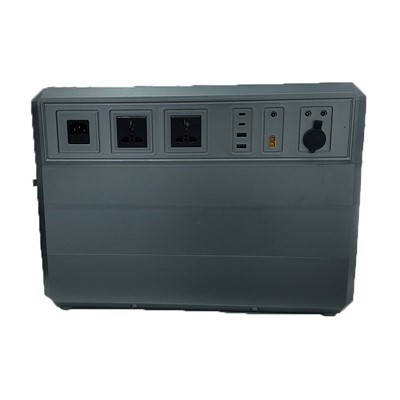
The communication interface of a portable mobile energy storage system is a critical component that significantly impacts its functionality, user experience, and overall value. As a supplier, we understand the importance of offering a diverse range of communication interfaces to meet the different needs of our customers. Whether it’s the convenience of USB, the flexibility of Bluetooth, or the high – speed connectivity of Wi – Fi, each interface plays a unique role in making our energy storage systems more user – friendly and efficient.
Portable Mobile Energy Storage System If you are interested in learning more about our Portable Mobile Energy Storage Systems and their communication interfaces, or if you are considering a purchase, we invite you to contact us for a detailed discussion. Our team of experts is ready to assist you in finding the perfect solution for your energy storage needs.
References
- IEEE Standards Association. (202X). Standards for Wireless and Wired Communication Technologies.
- International Electrotechnical Commission (IEC). (202X). Safety and Performance Standards for Energy Storage Systems.
- Consumer Technology Association (CTA). (202X). Trends in Portable Power and Energy Storage Devices.
Shandong Yaoqian Energy Storage International Trade Co., Ltd.
We’re well-known as one of the leading portable mobile energy storage system manufacturers and suppliers in China, featured by quality products and good price. Please rest assured to buy customized portable mobile energy storage system made in China here from our factory.
Address: Lithium Battery Industrial Park, Xingcheng Street, Zaozhuang High-tech Zone, Shandong Province, China
E-mail: boss@yaoqiansmart.com
WebSite: https://www.yaoqiansmart.com/
