Hey there! I’m working for a substation transformer supplier, and today I wanna share with you how to operate the tap changer of a substation transformer. It’s a pretty important part of keeping the transformer running smoothly, so let’s dive right in. Substation Transformer
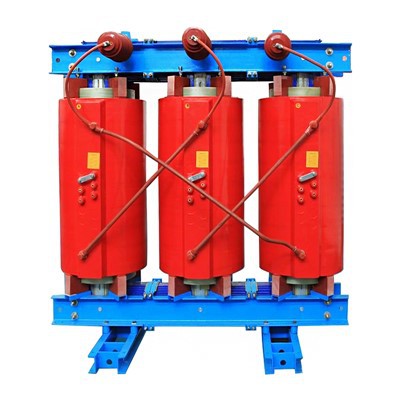
Understanding the Tap Changer
First off, let’s talk about what a tap changer is. A tap changer is a device in a substation transformer that allows us to adjust the turns ratio of the transformer. Why do we need to do that? Well, the voltage in the power grid can fluctuate, and we need to keep the output voltage of the transformer within a certain range. By changing the tap settings, we can increase or decrease the voltage output to match the requirements of the electrical system.
There are two main types of tap changers: on – load tap changers (OLTC) and off – load tap changers (OLTC). On – load tap changers can be operated while the transformer is energized, which means we can make voltage adjustments without interrupting the power supply. Off – load tap changers, on the other hand, require the transformer to be de – energized before we can change the tap settings.
Pre – operation Checks
Before we start operating the tap changer, we need to do some pre – operation checks. These checks are crucial to ensure the safety and proper functioning of the tap changer.
- Visual Inspection: First, take a good look at the tap changer. Check for any signs of damage, such as cracks, leaks, or loose connections. Make sure all the electrical connections are tight and there are no signs of overheating.
- Oil Level: If the tap changer is oil – immersed, check the oil level. The oil level should be within the specified range. Low oil level can lead to overheating and damage to the tap changer.
- Control System: Check the control system of the tap changer. Make sure all the control switches, indicators, and relays are working properly. Test the control circuits to ensure that the tap changer can be operated remotely or locally as required.
Operating an On – load Tap Changer
If you’re dealing with an on – load tap changer, here’s how you can operate it:
- Remote Operation: Most modern on – load tap changers can be operated remotely from the control room. First, make sure the remote control system is working. Then, use the control panel to select the desired tap position. The tap changer will automatically adjust to the new position. You can monitor the tap position and the voltage output on the control panel.
- Local Operation: If you need to operate the tap changer locally, you’ll need to go to the tap changer itself. There’s usually a control box near the tap changer. Open the control box and use the local control switches to select the tap position. Make sure you follow the safety procedures, such as wearing appropriate personal protective equipment.
When operating the on – load tap changer, it’s important to make small adjustments at a time. Each tap change can cause a small change in the voltage output, so don’t try to make large adjustments all at once. Also, keep an eye on the voltage and current readings to ensure that the transformer is operating within the safe limits.
Operating an Off – load Tap Changer
Operating an off – load tap changer is a bit more complicated because the transformer needs to be de – energized. Here are the steps:
- Isolation: First, isolate the transformer from the power grid. This usually involves opening the circuit breakers on both the primary and secondary sides of the transformer. Make sure the transformer is completely de – energized before proceeding.
- Accessing the Tap Changer: Once the transformer is de – energized, you can access the tap changer. There’s usually a cover or a panel that needs to be removed to reach the tap changer.
- Changing the Tap Position: Use the appropriate tools to change the tap position. There are usually markings on the tap changer to indicate the different tap positions. Make sure you select the correct tap position based on the voltage requirements.
- Re – energizing the Transformer: After changing the tap position, replace the cover or panel. Then, close the circuit breakers to re – energize the transformer. Monitor the voltage and current readings to ensure that the transformer is operating properly.
Troubleshooting
Sometimes, you may encounter problems when operating the tap changer. Here are some common issues and how to deal with them:
- Tap Changer Not Moving: If the tap changer doesn’t move when you try to operate it, check the control system. Make sure the control switches are in the correct position and there are no faults in the control circuits. You may also need to check the motor or the drive mechanism of the tap changer.
- Abnormal Noise: If you hear abnormal noise coming from the tap changer, it could be a sign of a problem. Check for loose parts, worn – out bearings, or other mechanical issues. If the noise persists, it’s best to stop the operation and have the tap changer inspected by a professional.
- Overheating: Overheating can be a serious problem. Check the oil level and the cooling system of the tap changer. If the tap changer is overheating, it may be due to a high load, a faulty cooling system, or other issues.
Maintenance
Regular maintenance is essential to keep the tap changer in good condition. Here are some maintenance tasks:
- Cleaning: Clean the tap changer regularly to remove dirt, dust, and other contaminants. This can help prevent electrical shorts and other problems.
- Lubrication: If the tap changer has moving parts, lubricate them as recommended by the manufacturer. This can reduce friction and wear.
- Testing: Perform regular tests on the tap changer, such as insulation resistance tests and contact resistance tests. These tests can help detect potential problems before they become serious.
Why Choose Our Substation Transformers
As a substation transformer supplier, we offer high – quality transformers with reliable tap changers. Our tap changers are designed to be easy to operate and maintain. We use the latest technology to ensure the safety and efficiency of our products.
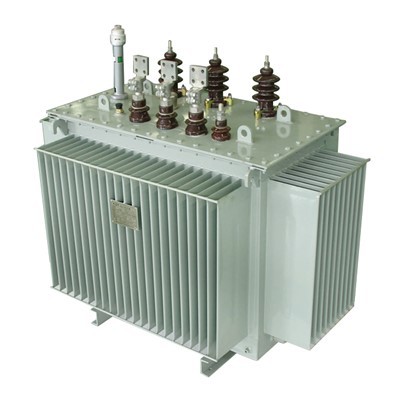
Whether you need an on – load tap changer or an off – load tap changer, we have the right solution for you. Our team of experts can provide you with professional advice and support to help you operate and maintain your tap changer.
Structural Transformer If you’re interested in our substation transformers or have any questions about tap changer operation, don’t hesitate to get in touch with us. We’re here to help you find the best solution for your electrical needs.
References
- Electrical Power Systems Engineering Handbook, by Turan Gonen
- Transformer Engineering: Design, Technology, and Diagnostics, by G. Venkata Subrahmanyam
Nantong Yawei New Energy Technology Co., Ltd.
As one of the most professional substation transformer manufacturers and suppliers in China, we’re featured by quality products and good service. Please rest assured to wholesale durable substation transformer made in China here from our factory. Customized orders are welcome.
Address: Room 28-101, Building 27 and 28, No.333 Kaiyuan Avenue, Sunzhuang Subdistrict, Hai’an City, Nantong City, Jiangsu Province, China
E-mail: admin@nantongyawei.com
WebSite: https://www.nantongyawei.com/
