As a provider of water well depth meters, ensuring the accuracy of our products is of utmost importance. In this blog, I will share some key strategies and considerations to guarantee the precision of water well depth meters. Water Well Depth Meter
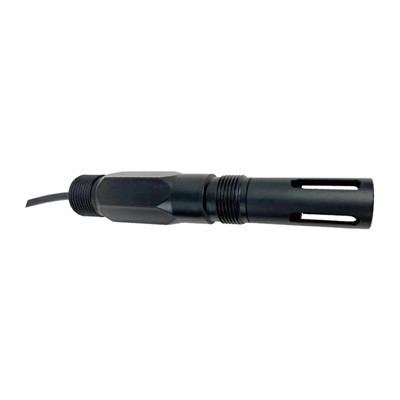
Understanding the Basics of Water Well Depth Measurement
Before delving into the methods of ensuring accuracy, it’s essential to understand the basic principles of water well depth measurement. Water well depth meters typically work by measuring the distance from the surface to the water level in the well. This can be achieved through various techniques, such as using a weighted tape, an ultrasonic sensor, or a pressure transducer.
The accuracy of a water well depth meter depends on several factors, including the quality of the measuring device, the calibration process, and the environmental conditions. By addressing these factors, we can significantly improve the accuracy of our depth meters.
Choosing the Right Measuring Device
The first step in ensuring the accuracy of a water well depth meter is to choose the right measuring device. There are several types of depth meters available on the market, each with its own advantages and limitations.
- Weighted Tape: This is one of the most traditional and reliable methods of measuring well depth. A weighted tape is simply a long tape with a weight attached to the end. The tape is lowered into the well until it touches the water surface, and the depth is read from the markings on the tape. While weighted tapes are relatively inexpensive and easy to use, they can be affected by factors such as tape stretch and human error.
- Ultrasonic Sensor: Ultrasonic sensors use sound waves to measure the distance from the sensor to the water surface. They are non-contact devices, which means they do not need to be in direct contact with the water. Ultrasonic sensors are generally more accurate than weighted tapes, but they can be affected by factors such as temperature, humidity, and the presence of debris in the well.
- Pressure Transducer: Pressure transducers measure the pressure exerted by the water column in the well. By converting the pressure into a depth measurement, they can provide accurate readings even in deep wells. Pressure transducers are more expensive than weighted tapes and ultrasonic sensors, but they are also more reliable and accurate.
When choosing a water well depth meter, it’s important to consider the specific requirements of your application. Factors such as the depth of the well, the accuracy required, and the environmental conditions should all be taken into account.
Calibration and Maintenance
Once you have chosen the right measuring device, the next step is to calibrate it regularly. Calibration is the process of comparing the readings of the depth meter to a known standard to ensure its accuracy. This should be done at least once a year, or more frequently if the device is used in harsh or demanding environments.
To calibrate a water well depth meter, you will need a reference standard, such as a calibrated tape measure or a known depth well. The calibration process involves comparing the readings of the depth meter to the reference standard and making any necessary adjustments.
In addition to calibration, regular maintenance is also essential to ensure the accuracy of a water well depth meter. This includes cleaning the device, checking for any signs of damage or wear, and replacing any worn or damaged parts. By following a regular maintenance schedule, you can extend the lifespan of your depth meter and ensure its continued accuracy.
Environmental Considerations
The accuracy of a water well depth meter can be affected by various environmental factors, such as temperature, humidity, and the presence of debris in the well. To minimize the impact of these factors, it’s important to take the following steps:
- Temperature: Temperature can affect the accuracy of a depth meter, especially if it is not designed to operate in extreme temperatures. To minimize the impact of temperature, it’s important to choose a depth meter that is designed to operate in the temperature range of your application.
- Humidity: Humidity can also affect the accuracy of a depth meter, especially if it is not designed to operate in high humidity environments. To minimize the impact of humidity, it’s important to choose a depth meter that is designed to be waterproof or moisture-resistant.
- Debris: The presence of debris in the well can affect the accuracy of a depth meter, especially if it is a non-contact device such as an ultrasonic sensor. To minimize the impact of debris, it’s important to keep the well clean and free of debris.
Training and Education
Finally, it’s important to provide training and education to the users of water well depth meters. This includes training on how to use the device correctly, how to calibrate it, and how to maintain it. By providing proper training and education, you can ensure that the users of your depth meters are able to operate them accurately and safely.
Conclusion
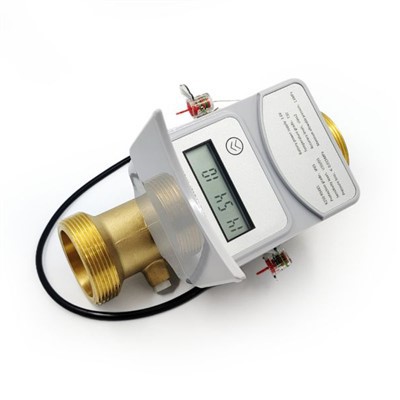
Ensuring the accuracy of a water well depth meter is essential for a variety of applications, including water resource management, well drilling, and environmental monitoring. By choosing the right measuring device, calibrating it regularly, maintaining it properly, and taking into account the environmental factors, you can significantly improve the accuracy of your depth meter.
Water Well Depth Meter If you are in the market for a water well depth meter, I encourage you to contact us to learn more about our products and services. We offer a wide range of depth meters to meet the specific needs of your application, and our team of experts is available to provide you with the support and guidance you need to ensure the accuracy of your measurements.
References
- American Society for Testing and Materials (ASTM). (2019). Standard Test Method for Measuring Water-Table Elevation in Monitoring Wells. ASTM D4750-19.
- National Ground Water Association (NGWA). (2018). Ground Water Sampling Procedures. NGWA Standard Practice 3001.
- United States Geological Survey (USGS). (2020). Water Well Depth Measurement. USGS Techniques and Methods, Book 9, Chapter A3.
Dalian Yheng Technology Co., Ltd.
Dalian Yheng Technology Co., Ltd. is one of the leading water well depth meter manufacturers and suppliers in China, also supports customized service. We warmly welcome you to buy high quality water well depth meter in stock here from our factory. Contact us for more details.
Address: F1605, NO.10 Huoju road, High-tech Industrial Zone, Dalian, China
E-mail: admin@dlyheng.com
WebSite: https://www.yhengphmeter.com/
