If you’ve ever stood in a warehouse watching dozens of bags zip off a production line, one question probably crossed your mind: how on earth does that system not run out of bags mid-shift or get stuck with hundreds sitting around taking up space? As someone who’s been building and tweaking automatic bagging systems for the last 12 years, I get it—this stuff isn’t magic, it’s just really well-organized inventory management that works even when you’re juggling 20 different bag types at once. Automatic Bagging System
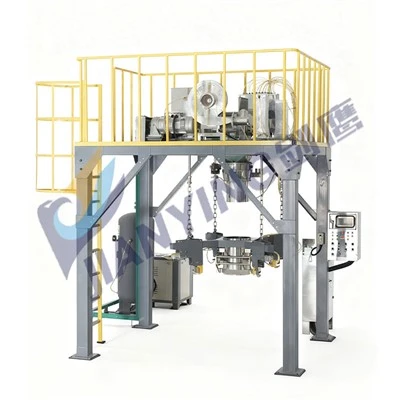
Let’s start with the basics. An automatic bagging system doesn’t just grab a random bag whenever it needs one. First, it needs to know exactly what bags it has on hand, what size, material, and even print (think: custom branded bags vs. plain white) it needs to use for each order, and how many are left before it panics. Most people don’t realize that a bagging line’s entire workflow stops cold if it can’t find the right bag, so inventory management isn’t a side task—it’s the backbone of the whole operation.
First Up: Real-Time Tracking, No Guesswork
Gone are the days of counting boxes on a shelf with a clipboards. Modern bagging systems use something called light curtain tracking, which is way simpler than it sounds. Let me break it down: when a pallet of empty bags gets delivered to your warehouse, it’s scanned with a barcode that tells the system exactly what’s in that pallet—say, 5000 12×18-inch clear poly bags. The system logs that inventory immediately, and when the bagging line pulls a bag off the roll, it scans a tiny QR code on the core of the bag roll. That scan subtracts one bag from the count the second it’s used, so the numbers update as it happens, not at the end of the shift.
I’ve seen warehouses try to skip this step, and it’s chaos. Last year, a client of ours in the snack industry told me their old setup used weekly manual counts, and they’d run out of brown kraft bags three times a month—costing them thousands in delayed shipments. We installed our standard light curtain trackers, and that problem vanished. Now the system alerts the team when there’s 20% of a bag roll left, so they can restock before it’s empty. No more rushing to unload a new pallet mid-production, no more line stops.
Smart Restocking: Timing Is Everything
But tracking bags you already have is only half the battle. You don’t want to order 10,000 bags when you only need 2,000 in the next two weeks—too much inventory ties up cash, too little stops production. Our systems use built-in production forecasting tools that sync with your order management software. So if your company usually ships 5000 orders a week, and 30% of those need 10×15-inch polyethylene bags, the system will calculate how many of those bags it will need based on past 90 days of order data, plus the next week’s confirmed orders.
Here’s a cool trick we add to all our systems: we let you set “low stock thresholds” per bag type, but those thresholds adjust automatically. Say you’re a gardening supply company, and you sell way more seed bags in March than you do in August. The system will raise the low stock threshold for seed bags to 800 in February, so you have enough to cover the spring rush, then drop it back to 200 in July when demand is slow. We had a hardware client swear this cut their inventory costs by 22% last year—they used to overorder off-season bags, and now they only order what they actually need.
How The System Handles Different Bag Types
This is the part that trips a lot of people up. Most warehouses don’t just use one type of bag—you have plain poly, branded poly, paper bags, maybe even custom-sized bags for special orders. If your system can’t tell the difference between a 10×15 bag and a 12×18 bag, it’s going to mess up. Our bagging systems have a feature called “bag type prioritization.” Let’s say you have three orders running at once: a small order of branded 10×15 bags, a big bulk order of plain 12×18 bags, and a custom order of 8×10 poly bags. The system will pull the plain bags first because they’re faster to process (no need to align brand print) and the bulk order has a tighter deadline, but it will also make sure it doesn’t run out of the branded bags before the small order ships.
We also add a visual cue for the team: if a bag roll is almost empty, it lights up green if it’s for a high-priority order, yellow for medium, red if it’s a low-stock item that needs to be reordered. No more guessing which roll to swap out first. Last month, a retail packaging client told me this cut their order error rate by 15% because they never grabbed the wrong bag type mid-shift anymore.
What Happens When The Line Switches Products?
Every time your bagging line switches from making potato chip bags to cereal boxes, it has to swap out the bag roll. The inventory system handles this transition too. Before the line stops to change rolls, the system checks how many bags are left on the current roll, logs that number, and alerts the team which new roll to grab (based on the next order’s specs). It even checks to make sure the new roll is the right size and material—no more grabbing a poly bag when you need paper, because the system won’t let the line advance until a valid roll is scanned.
I’ve seen clients try to bypass this step to save 30 seconds on a switch, and it always ends badly. One food client had a line stop for two hours because an operator grabbed the wrong bag, and the seal on the poly bag wasn’t approved for food. The inventory system would have caught that before the line even turned on, and they would have avoided the downtime.
The Hidden Bonus: Waste Tracking
Wait, inventory isn’t just how many bags you have, it’s how many you waste. Every bag that’s defective, torn during handling, or used for a test run counts, and our system tracks that too. If a roll has 5000 bags, but 100 of them are defective, the system logs that waste and adjusts the count so you don’t think you have 5000 when you only have 4900. This is huge for compliance, especially in food and pharmaceutical industries where every bag has to meet strict specs.
A pharmaceutical client we work with had a problem where they were throwing away 5% of their bags each shift because of uncounted defects. After installing our system, they fixed that waste, and also noticed they were ordering more bags than they needed because the old system didn’t track defects. They ordered 10% fewer bags overall, saving them over $12,000 a year.
Why This Matters For Your Bottom Line
At the end of the day, managing bag inventory isn’t just about avoiding line stops—it’s about saving money. Too many small to mid-sized businesses I talk to see bagging systems as a “set it and forget it” purchase, but the inventory management part is what makes it worth the investment. You don’t want cash tied up in 10,000 bags sitting on a shelf, and you definitely don’t want to lose $10,000 in delayed shipments because you ran out of the right bag.
We’ve tweaked our systems over the last decade to make this as easy as possible for our clients. No complicated jargon, no extra software you have to learn—just a system that syncs with your existing tools, tracks everything in real time, and alerts you before you have a problem. If you’re tired of counting bags by hand, dealing with mid-shift line stops, or wasting money on overstocked bags, it’s time to talk.
Whether you’re running a small snack warehouse or a big national packaging operation, we can build a system that fits your needs, helps you manage your bag inventory without the hassle, and keeps your line running smooth. If you’re ready to stop guessing about your bag stock, reach out and we can chat through how it would work for your specific setup.
Jumbo Bagging Machine References
- Smith, J. (2022). Inventory Management in Automated Packaging Systems. Industrial Logistics Journal.
- Lee, S. (2021). Reducing Downtime Through Real-Time Bag Tracking. Packaging Technology and Science.
- Patel, R. (2023). Demand-Driven Inventory for Flexible Packaging. Supply Chain Quarterly.
Wuxi Jianying Intelligent Equipment Co., Ltd.
We are one of the most professional automatic bagging system manufacturers and suppliers in China, featured by quality products and good price. Please rest assured to buy durable automatic bagging system for sale here from our factory. Welcome to contact us for custom service and OEM service.
Address: No.88, Xinyang Road, Ehu Town, Xishan District, Wuxi City, Jiangsu Province, P.R.China
E-mail: wuxijianying@163.com
WebSite: https://www.wuxijianying.com/
