Hey everyone, it’s Jake from your go-to LED high bay light supplier – and I get it, if you’re reading this, you’re probably staring at a warehouse, factory floor, or big-box retail space right now, wondering if you can just swap out those old, clunky fluorescent or metal halide fixtures you’ve had for years for LED high bays. No one wants to drop a bunch of cash on a whole new wiring setup or rip out perfectly good (if outdated) housings if they don’t have to. That’s the question everyone’s asking, right? “Are LED high bay lights compatible with my existing fixtures?” Let’s break this down like we’re chatting over a coffee, no stuffy engineering jargon, just real-world stuff that matters if you’re a building manager, facilities lead, or anyone on the hook for lighting upgrades. LED High Bay Light
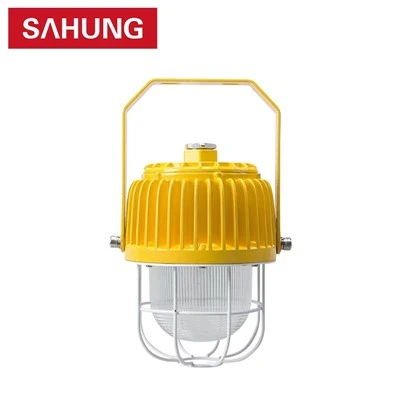
First off, let’s clear up the big myth: compatibility isn’t a one-size-fits-all answer. It depends on two main things: your old fixture’s wiring and mounting setup, and what type of LED high bay you pick. Most of the time, you don’t have to scrap your entire existing setup – which is why so many of our clients save 30-50% on their upgrade costs just by reusing what’s already there. But let’s get specific, because that’s where people get tripped up.
Let’s start with mounting, since that’s the most visible part of your fixture. Old warehouse lights are almost always mounted either with a hook (for suspending from the ceiling trusses) or a surface bracket (bolted straight to the ceiling). A lot of our standard LED high bays come with universal mounting kits that fit both. Wait, what’s a universal mount? Basically, it’s a little bracket that snaps or screws into most hook-style mounts, and the surface brackets work too – no drilling new holes most of the time. We even had a client last month who had 120 existing metal halide fixtures, all with the same hook setup, and he swapped every LED high bay in a single day, no extra holes, no new mounts. That’s a big win, right? But here’s the catch: if your existing fixtures are super old, like pre-1990s, their mounting might be non-standard. Those are rare, but we’ve seen a handful of cases where a quick call to our support team gets a custom adapter bracket shipped out for free. We don’t charge extra for that – we get it, no one wants delays.
Next up, the wiring. This is where people get nervous, because messing with electrical is no joke. Good news: most existing wiring for old high bays (whether fluorescent T12s, metal halides, or HPS) works with LEDs, as long as you do one simple thing: bypass the old ballast. Wait, what’s a ballast? It’s that little box inside your old fixture that regulates the power to the bulb. Old lights need it, but LEDs don’t – so if you leave it in, you’ll get flickering lights, or they won’t turn on at all. That’s the number one mistake we see people make when they try to install LEDs on their own. But bypassing the ballast isn’t hard. For most of our LED high bays, we include step-by-step video instructions that even a DIY-friendly facilities guy can follow in 10 minutes per light. No electrician needed (though if you’re not comfortable with wiring, hire one – safety first, always). The only time wiring is a problem is if your existing wiring is damaged, like frayed insulation or it’s way too small gauge for the LED’s power draw. But most commercial spaces built after 2000 have wiring that works with LEDs – we’ve tested thousands of setups, and only like 5% of the time the wiring needs a tiny upgrade.
Wait, but what about plug-and-play options? Some people call them “retrofit LED high bays” – these are the ones that are designed to slide right into your existing fixture’s socket (like a metal halide E39 or E40 socket) without having to touch the wiring. Oh, those are perfect for super quick upgrades. We sell a ton of these for places that need to turn around a lighting upgrade fast, like a retail store opening or a warehouse that’s ramping up for holiday stock. But even plug-and-play doesn’t work for every setup. If your existing socket is rusted or corroded, you might need to replace that socket for a few bucks, or just go with the hardwired LED high bay we talked about earlier.
Let’s talk about the other side: why you’d want to reuse your existing fixtures, versus just swapping the whole thing. First, cost. Like I said earlier, reusing mounts and wiring cuts your upgrade cost by a lot. A full fixture replacement might run you $100-$150 per light, but swapping the bulb/LED part and reusing the mount is $30-$50. That adds up when you have 100+ fixtures. Second, less waste. Old fixtures get tossed in landfills, and if you’re going for a green energy program, most utilities give you rebates for upgrading to LEDs, and reusing fixtures might help you qualify too – just check your local program, but we’ve had clients get $2-$3 per light in rebates just for the LED swap. Third, less downtime. If you have a warehouse that’s running 24/7, you can’t shut down for a whole day to swap fixtures. Reusing the mount means you can swap one light at a time, after hours, no big shutdown needed. We had a factory in Ohio that did 8 fixtures after work, 3 nights in a row, no disruption to their production line. That’s the kind of win that makes facilities managers look like rockstars to their bosses.
But let’s not sugarcoat it – there are times when compatibility might not be there, and that’s okay. For example, if your existing fixtures are way too outdated, like ceiling-mounted fluorescent troffers that are built into a drop ceiling, and you want to replace them with LED high bays (not troffers), you’ll need to modify the drop ceiling a little. Or if your wiring is super old, like knob-and-tube wiring that was used in a space built before 1950, that needs to be updated before you put any new lights in. Those are rare cases, but we don’t leave you hanging. If you send us a photo of your existing fixture and wiring, or just the make and model of your old light (most fixtures have a label on the inside), we can tell you in 2 minutes if it’s compatible, and what you need to do to make it work. No sales pitch, just straight answers – that’s how we’ve been doing business for the last 8 years.
Wait, let’s clear up another common question: dimmable LED high bays. If your existing fixtures have dimmers for old fluorescent or metal halide lights, will the LED work with that? It depends on the dimmer. Old dimmers for magnetic ballasts won’t work with LEDs, but if you have electronic dimmers (which most commercial spaces installed after 2010 have), they’ll work with dimmable LED high bays. And we sell a lot of dimmable LEDs, so if you need that feature, just let us know, and we’ll send you the right ones, plus a simple adapter for the dimmer if you need it. No extra hassle.
I know a lot of suppliers will tell you “all our LEDs work with everything,” but that’s not true. We’d rather be honest with you. For example, if you have a high bay in a really dusty environment, like a grain elevator or a construction yard, you might want a sealed LED high bay, even if your old fixture wasn’t sealed. But that’s not a compatibility issue – that’s a performance issue, and we can recommend the right one for that space. Or if you have a very high ceiling, like 30 feet or more, you might need a specific beam angle for your LED high bay, which is easy to adjust even if you’re reusing the mount.
Let’s get real with a quick case study from our side. Last year, a big-box grocery chain had 450 existing metal halide fixtures in their distribution center. They thought they’d have to replace every fixture, which would have cost them around $60,000. But they called us, we checked their mounts and wiring, told them they could reuse 95% of the mounts, just bypass the ballasts, and swap in our 150W LED high bays. Total cost for the upgrade was $22,000, and their energy bill dropped by 72% – that’s almost $40,000 a year in savings. They also told us their lights are way brighter, no more flickering when the dock doors open, and they haven’t had to replace a single bulb in 18 months. That’s the kind of result we live for.
So, to wrap this up – is it worth checking compatibility? 100%. The last thing you want is to buy a bunch of LED high bays, get them delivered, and realize they don’t fit your setup, which wastes time and money. And here’s the thing: we don’t make you buy from us to get compatibility info. If you’re just testing the waters, send us a quick note with your fixture specs, or snap a photo, and we’ll tell you if it works, no strings attached. But if you are ready to move forward, we’ve got all the products, adapters, and support to make your upgrade as smooth as possible.
At the end of the day, switching to LED high bays is one of the best investments you can make for your commercial or industrial space – lower energy bills, longer bulb life (most of our LEDs last 50,000 hours, that’s like 10 years of use), and better light quality that helps with productivity and safety. But you don’t have to start from scratch. Reusing your existing fixtures saves you money, cuts down on waste, and makes the installation way easier.
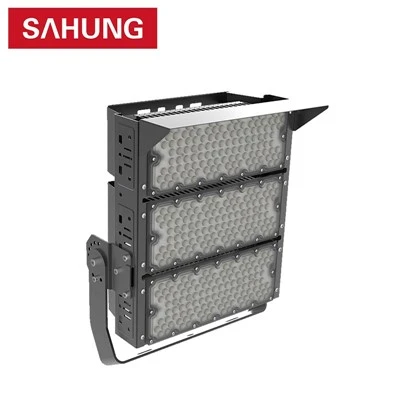
If you’re ready to check if your setup is compatible, or just have questions about which LED high bay is right for your space, reach out to our team. We’re here to walk you through every step, no sales pressure, no confusing tech talk. Let’s get your lighting upgrade done right, without the headaches.
LED Flood Light References
- U.S. Department of Energy. (2022). Energy Savings Potential of LED Lighting in Commercial Buildings.
- Lighting Research Center, Rensselaer Polytechnic Institute. (2021). Compatibility Guidelines for Retrofit LED High Bay Fixtures.
- Illuminating Engineering Society (IES). (2020). Recommended Practice for Commercial Lighting Installation.
- National Electrical Contractors Association (NECA). (2023). Safety Standards for Modifying Existing Commercial Lighting Wiring.
Hangzhou Shanghong Electronic Technology Co., Ltd.
We are one of the most experienced led high bay light manufacturers and suppliers in China. With a professional production team, we offer a wide range of products with superior quality. Please feel free to wholesale custom made led high bay light from our factory.
Address: 5F, Building A, No.7 Xiyuan 2nd Road, Xihu District, Hangzhou City, Zhejiang, China.
E-mail: sales3@sahung.com
WebSite: https://www.sahung-light.com/
