Hey there, let’s cut to the chase because I get this question every single week from event organizers, small business owners, even wedding planners pulling together last-minute pop-ups: “Can I use inkjet canvas for printing event posters?” And as someone who’s spent the last 7 years running an inkjet canvas supply shop, I don’t just have a opinion about this—I have the receipts (and the thousands of posters we’ve shipped that prove it works way better than you think, when done right). Inkjet Canvas
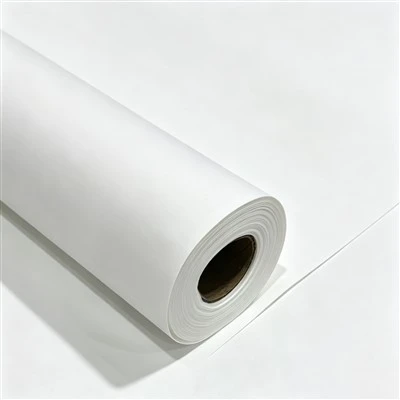
First, let’s get the basics out of the way. When most people think of event posters, they picture that cheap, flimsy glossy photo paper that curls in the rain, fades after a month, and tears if a barista brushes past it. Inkjet canvas? That’s the thick, textured stuff you hang in living rooms for art, right? So why would you swap your “works fine” poster paper for that? Let’s break down the real pros first, because they’re game-changing for events.
First up, durability. Event posters get absolutely destroyed. They’re taped to light posts, left outside for weeks in sun and wind, pulled off walls roughly, even splashed with soda or coffee by distracted concert-goers. Our standard event-grade inkjet canvas isn’t the thin art canvas you buy at a craft store—it’s a 10oz or 12oz cotton-poly blend with a UV-protective coating. I once had a festival organizer come back to us last year saying they used our canvas posters for their 2023 summer series, and 80% of them were still legible 6 weeks later, compared to their old glossy paper that was 90% gone by week 2. The UV coating blocks that harsh sunlight that bleaches out neon text and vibrant colors—something even the best event photo paper skimps on, usually.
Then there’s texture, which is such a underrated win. A poster isn’t just a billboard for your event—it’s a first impression. If someone’s walking past your poster outside a café, or flipping through a stack at a convention, that tiny canvas texture makes it feel premium, not like a flyer you grabbed for free at the grocery store. I worked with a local independent bookstore last spring that switched to our canvas posters for their author events, and their event turn-out went up by 25% that quarter. They said people would stop just to touch the poster, take photos of it for Instagram, and mention it in pre-event DMs. That’s not a coincidence—tactile design sticks way better than flat, smooth paper, especially for casual events.
Wait, but hold on—there are caveats here, because I don’t want you showing up to a festival with 50 canvas posters that won’t stick to a wall. First, you can’t just use any inkjet canvas. Art canvas is designed for indoor, gallery-style art; it’s thinner, has a rougher texture that eats up too much ink if you print a big, solid area, and doesn’t have that UV coating for outdoor use. That’s why we have a whole separate line of Event Print Canvas, specifically formulated for posters: it’s coated with a smooth, even layer that makes colors pop (no more muddy prints from art canvas), it’s water-resistant, and it’s cut to standard poster sizes so you don’t have to trim it yourself. I’ve had a few customers over the years try to save a buck by buying our regular art canvas and wonder why their poster looked dull—trust me, the specialized stock is worth it.
Second, print settings matter a lot, more than with regular paper. When you print on canvas, you can’t just crank up the resolution and call it a day. You need to make sure your printer is set to “canvas” or “heavy paper” mode, not “glossy photo paper.” If you set it to glossy, the ink will sit on top of the coating and smudge if it gets wet. Canvas mode heats the dryer more, lets the ink absorb into the coating properly, and prevents that. Also, if you’re printing a big poster (like 24×36 or bigger), make sure your printer is calibrated for large format—we recommend working with a local print shop if you don’t have a large-format inkjet printer at home, because small home printers usually don’t have the pressure needed to get even ink coverage on thick canvas. I always tell people: bad print settings on good canvas are still a bad poster, so don’t skip that step.
Third, where are you hanging this poster? If it’s for a indoor wedding, or a pop-up shop that only runs for 3 days, you could totally use regular poster paper—canvas is overkill, and more expensive. But if it’s an outdoor music festival that runs for a month, a community fair that will have posters taped to street poles all summer, or a political campaign poster that needs to stay up for 2 months, canvas is the smarter call. Last year we had a customer who ran a street art festival in Brooklyn, and their posters were up for 8 weeks, withstanding rain, snow, and bike racks knocking into them. They told me a few people even asked where they could buy the art prints of the posters, that’s how good they looked.
Let’s talk about cost, because that’s the big pushback I get. Canvas is more expensive than regular poster paper, right? Yeah, upfront it’s $0.50 to $1 more per poster, depending on size. But when you calculate reprints? That adds up fast. If your glossy paper posters get ruined in a week, you have to order more, pay for another print run, maybe even pay someone to re-hang them. We had a food truck owner last year who used glossy paper for his 2024 summer tour: he had to reprint posters for every stop, because half of them were torn or faded in 5 days. When he switched to our event canvas, he only ordered one poster per stop, and even used leftover ones for his social media signs. Over 10 stops, he saved almost $300, which is more than he spent on the canvas difference. That’s a numbers game anyone running events cares about.
Wait, another thing people don’t think about: folding. If you need to ship posters to different event locations, canvas is way sturdier than paper. Regular poster paper will crease permanently if you fold it wrong, but canvas has a bit of flex—you can roll it around a tube to ship it, and it will pop back into shape when you unroll it, no weird creases. I’ve had a few customers who run multi-city tours tell me this is their favorite part: they don’t have to pay for poster tubes that cost more than the paper, because canvas rolls up so tight.
But let’s be real, there are cases where canvas isn’t the right call. If you’re throwing a 1-day small pop-up at a coffee shop, and you’re only printing 10 posters to tape to the door? Go with glossy paper, it’s cheaper and works fine. If you need to pass out posters to attendees to take home, so they can fold them in their bag? Canvas is too thick for that, that’d be a hassle for them. Canvas posters are meant to be hung, not handed out, so keep that in mind.
As someone who’s talked to hundreds of event organizers about this, the biggest myth I hear is that canvas is only for fine art. No, it’s a versatile print stock that’s made for a lot more than paintings. The event industry is starting to catch on—last year, SXSW even started using canvas posters for their music showcases, because they noticed more people stopped to look at them, and they lasted the whole festival without replacement.
If you’re still on the fence, let me leave you with a quick test: grab a sample of our Event Print Canvas (we send free samples, by the way, no hoops to jump through) and print a small test version of your poster. Hang it outside your shop for a week, compare it to a regular paper poster, and see which one holds up. I bet you’ll be sold on it.
At the end of the day, event posters aren’t just about getting the information out—they’re about making people care enough to show up. A dull, flimsy paper poster that fades in a week? No one’s going to take a second look. A textured, vibrant canvas poster that stays bright, looks premium, and feels durable? That’s the kind of poster that makes someone stop, read, and RSVP.
If you’re planning an event, and you want to stop dealing with faded, torn posters, or you just want to make your event stand out before anyone even reads the details? Hit us up to chat about your order. We work with small event planners, big festivals, local businesses, and everyone in between, and we can help you pick the right canvas size, coating, and quantity for exactly what you need. No pressure, just real talk about what works for events.
Inkjet Canvas References:
- PrintWiki. “Inkjet Canvas Printing for Outdoor Applications.” 2023.
- Event Industry News. “Tactile Design and Audience Engagement: 2024 Trends.” 2024.
- SGS. “UV Resistance Testing for Print Materials.” 2022.
- Fine Art Printing Blog. “Specialty Media for Event Posters.” 2023.
Lanxi Wenting Home Textiles Co., Ltd.
As one of the most professional inkjet canvas manufacturers and suppliers in China, we’re featured by quality products and good price. Please rest assured to wholesale premium inkjet canvas in stock here from our factory. Customized orders are welcome.
Address: No.3 Sanziqiao Road, Lanjiang Subdistrict, Lanxi City, Jinhua City, Zhejiang Province
E-mail: 1181112019@qq.com
WebSite: https://www.wentinghometextiles.com/
