Medium voltage (MV) motors are the workhorses of many industrial applications, powering everything from pumps and compressors to conveyors and crushers. As a MV motor supplier, I’ve witnessed firsthand the critical role these machines play in keeping industries running smoothly. However, like any complex piece of equipment, MV motors are prone to various potential failures. Understanding these failures and how to troubleshoot them is essential for minimizing downtime and ensuring the long – term reliability of your operations. MV Motor
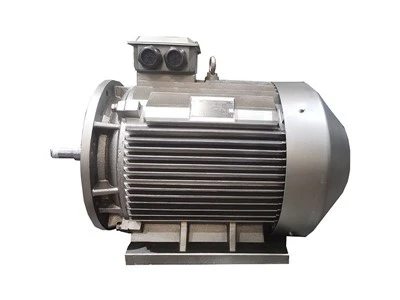
Common Causes of MV Motor Failures
Electrical Failures
- Stator Winding Failures: Stator windings are a vital component of MV motors. Insulation breakdown is one of the most common causes of stator winding failures. Over time, the insulation can degrade due to factors such as high temperatures, electrical stress, chemical contamination, and mechanical vibration. When the insulation fails, it can lead to short – circuits between the windings or to ground, causing the motor to malfunction or even fail catastrophically.
- Rotor Failures: Rotor failures can also occur in MV motors. Squirrel – cage rotor bars can break due to excessive torque, mechanical stress, or manufacturing defects. This can lead to uneven torque production, increased vibration, and reduced motor efficiency. In wound – rotor motors, problems with the rotor windings or slip rings can cause issues such as poor starting performance, increased electrical losses, and overheating.
- Power Supply Issues: An unstable or poor – quality power supply can have a significant impact on MV motors. Voltage imbalances, for example, can cause excessive current to flow in the motor windings, leading to overheating and premature insulation failure. Harmonics in the power supply can also cause additional losses and overheating in the motor, as well as interference with other electrical equipment in the system.
Mechanical Failures
- Bearing Failures: Bearings are essential for the smooth operation of MV motors. However, they are also subject to wear and tear over time. Poor lubrication, contamination, incorrect installation, and excessive load can all lead to bearing failure. When a bearing fails, it can cause increased vibration, noise, and overheating, which can ultimately lead to motor damage if not addressed promptly.
- Shaft Misalignment: Shaft misalignment is another common mechanical problem in MV motors. If the motor shaft is not properly aligned with the driven equipment, it can cause excessive stress on the bearings, couplings, and shafts. This can lead to premature wear, vibration, and even shaft breakage. Misalignment can occur during installation or due to changes in the equipment’s foundation or operating conditions over time.
- Coupling Failures: Couplings are used to connect the motor shaft to the driven equipment. They can fail due to various reasons, such as excessive torque, misalignment, wear and tear, or material fatigue. A failed coupling can cause the motor to lose its connection to the driven equipment, resulting in a loss of power transmission and potentially damaging the motor or the driven equipment.
Environmental Factors
- Temperature and Humidity: High temperatures can accelerate the degradation of motor insulation, reduce the efficiency of the motor, and cause overheating. On the other hand, high humidity can lead to moisture ingress into the motor, which can cause corrosion of the windings and other components, as well as electrical short – circuits.
- Dust and Contamination: Dust, dirt, and other contaminants can accumulate on the motor’s surfaces and inside the motor enclosure. This can block the ventilation paths, reducing the cooling efficiency of the motor and increasing the risk of overheating. Contamination can also cause abrasion of the bearings and other moving parts, leading to premature wear and failure.
- Chemical Exposure: Exposure to chemicals, such as acids, alkalis, and solvents, can damage the motor’s insulation, bearings, and other components. Chemical corrosion can weaken the material structure, leading to reduced mechanical strength and electrical performance.
Troubleshooting MV Motor Failures
Electrical Troubleshooting
- Insulation Resistance Testing: One of the first steps in troubleshooting electrical problems in MV motors is to perform insulation resistance testing. This test measures the resistance between the motor windings and the motor frame. A low insulation resistance value indicates a potential insulation breakdown. By regularly monitoring the insulation resistance, you can detect early signs of insulation degradation and take preventive measures before a failure occurs.
- Winding Resistance Testing: Winding resistance testing can help identify problems such as short – circuits or open – circuits in the motor windings. By measuring the resistance of each phase of the windings, you can compare the values to the manufacturer’s specifications. Significant differences in the winding resistance values may indicate a winding fault.
- Power Quality Analysis: Analyzing the power quality of the motor’s power supply is crucial for identifying electrical issues such as voltage imbalances and harmonics. Power quality analyzers can measure parameters such as voltage, current, frequency, and harmonic content. By identifying and correcting power quality problems, you can improve the performance and reliability of the MV motor.
Mechanical Troubleshooting
- Vibration Analysis: Vibration analysis is a powerful tool for detecting mechanical problems in MV motors. Excessive vibration can be an indication of bearing failure, shaft misalignment, or other mechanical issues. Vibration sensors can be installed on the motor to measure the vibration levels and frequencies. By analyzing the vibration data, you can diagnose the root cause of the problem and take appropriate corrective actions.
- Bearing Inspection: Regular bearing inspection is essential for preventing bearing failures. This includes checking the lubrication levels, looking for signs of wear and tear, and measuring the bearing clearances. If any issues are detected, the bearings should be replaced or repaired as soon as possible.
- Shaft Alignment Checking: Ensuring proper shaft alignment is crucial for the smooth operation of MV motors. You can use alignment tools such as laser alignment systems to measure and correct shaft misalignment. Regular alignment checks can prevent premature wear and damage to the motor and the driven equipment.
Environmental Troubleshooting
- Temperature and Humidity Monitoring: Monitoring the temperature and humidity levels in the motor’s operating environment can help prevent problems related to heat and moisture. Temperature sensors can be installed in the motor enclosure to monitor the motor temperature, and humidity sensors can be used to measure the relative humidity in the area. If the temperature or humidity levels exceed the recommended limits, appropriate measures such as improving ventilation or installing dehumidifiers can be taken.
- Cleaning and Protection: Regular cleaning of the motor and its surrounding area is necessary to remove dust, dirt, and other contaminants. Additionally, installing protective enclosures or covers can help prevent the ingress of contaminants and chemicals. If the motor is exposed to harsh chemicals, special coatings or materials can be used to protect the motor components.
Preventive Maintenance and Long – Term Solutions
As a MV motor supplier, I strongly recommend implementing a comprehensive preventive maintenance program for your MV motors. This program should include regular inspections, testing, and maintenance tasks to detect and address potential problems before they cause significant failures.
- Scheduled Inspections: Conduct regular visual inspections of the motor, looking for signs of damage, wear, or contamination. Check the motor’s electrical connections, cooling systems, and mechanical components.
- Testing and Monitoring: Perform regular insulation resistance testing, winding resistance testing, and vibration analysis to monitor the motor’s condition. Continuously monitor the power quality of the motor’s power supply to ensure stable operation.
- Lubrication Management: Proper lubrication is crucial for the long – term performance of MV motor bearings. Follow the manufacturer’s recommendations for lubrication intervals and use the correct type of lubricant.
- Training and Education: Provide training to your maintenance staff on the proper operation, maintenance, and troubleshooting of MV motors. Well – trained staff can quickly identify and address potential problems, minimizing downtime and repair costs.
Conclusion
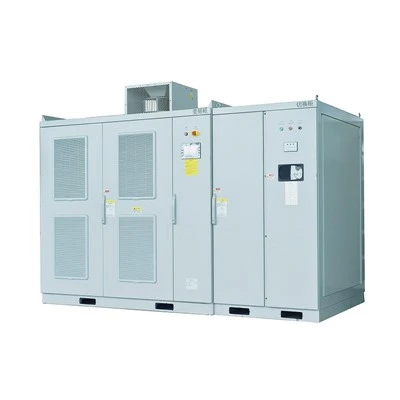
MV motors are essential components in many industrial applications, but they are also prone to various potential failures. By understanding the common causes of these failures and how to troubleshoot them, you can ensure the reliable operation of your MV motors and minimize downtime. As a trusted MV motor supplier, I am committed to providing high – quality motors and comprehensive technical support to help you keep your operations running smoothly.
MV Motor If you are in the market for MV motors or need assistance with troubleshooting and maintenance, I encourage you to reach out to us. Our team of experts is ready to discuss your specific requirements and provide you with the best solutions for your application. We look forward to the opportunity to work with you and contribute to the success of your business.
References
- "Medium Voltage Motor Handbook", IEEE Press
- "Electrical Machinery Fundamentals", Stephen J. Chapman
- "Industrial Motor Maintenance and Troubleshooting Guide", American Industrial Hygiene Association
Xian Putai Electric Motor Equipment Co., Ltd.
Xian Putai Electric Motor Equipment Co., Ltd. is one of the most professional mv motor manufacturers and suppliers in China, also supports customized service with low price. Welcome to buy advanced mv motor in stock here from our factory. If you have any enquiry about quotation, please feel free to email us.
Address: Haibo Guangchang Fengcheng Nine Road Economical & Technological Development District Xi’an City Shaanxi Province – China
E-mail: sales@putaimotor.com
WebSite: https://www.putaimotor.com/
