Hey there, folks! As a supplier of high torque servo motors, I get asked a ton of questions about the difference between high torque DC servo motors and high torque AC servo motors. It’s a crucial topic, especially for those in the market for these powerful motors. So, let’s dive right in and break it down. High Torque Servo Motors
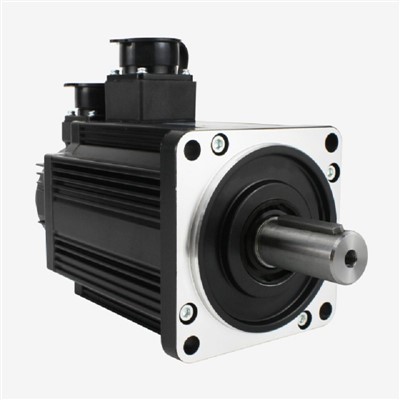
First off, let’s talk about what torque is. Torque is basically the rotational force that a motor can generate. A high torque motor has the muscle to move heavy loads or perform tasks that require a lot of power. Both DC and AC servo motors can be designed to have high torque, but they work in different ways and have unique features.
High Torque DC Servo Motors
DC servo motors have been around for a long time. They’re pretty straightforward in terms of how they work. These motors run on direct current (DC), which means the electrical current flows in one direction. This simplicity gives them some real advantages.
One of the big pluses of high torque DC servo motors is their speed control. They’re really good at adjusting the speed smoothly. If you need to change the speed of your motor quickly, a DC servo motor can do it with ease. This makes them perfect for applications where you’ve got to be really precise with speed, like in robotics or CNC machines.
Another great thing about DC servo motors is their torque characteristics. They can produce a high starting torque. That means they can get heavy loads moving right from the start. Picture a conveyor belt in a factory that needs to start up with a lot of weight on it. A high torque DC servo motor can handle that initial push like a champ.
DC servo motors are also relatively easy to control. You can use simple control systems to adjust the voltage and, in turn, control the speed and torque of the motor. This simplicity can save you time and money when it comes to setting up your equipment.
However, DC servo motors aren’t without their drawbacks. They usually have brushes that make contact with the commutator inside the motor. Over time, these brushes can wear out and need to be replaced. That means more maintenance and downtime for your equipment. Also, the brushes can create electrical noise, which might be a problem in some sensitive applications.
High Torque AC Servo Motors
Now, let’s switch gears and talk about high torque AC servo motors. These motors run on alternating current (AC), which means the electrical current changes direction periodically.
One of the key benefits of AC servo motors is their reliability. Since they don’t have brushes (in most cases), there’s less wear and tear on the motor. This means less maintenance and a longer lifespan. For applications where you can’t afford much downtime, like in continuous production lines, an AC servo motor is a solid choice.
AC servo motors are also great at handling high speeds. They can maintain their torque even at higher rotational speeds, which is something that DC servo motors struggle with. This makes them ideal for applications like high-speed spindles in machining centers or high-speed conveyor systems.
Another advantage of AC servo motors is their efficiency. They can convert electrical energy into mechanical energy more efficiently than DC servo motors. This means you’ll save on energy costs over the long run. If you’re running a big operation, those savings can really add up.
But, like any technology, AC servo motors have their cons too. They’re usually more complex to control than DC servo motors. You need more advanced control systems to manage the speed and torque accurately. This can make the initial setup more expensive and require more technical know – how.
Applications
Let’s take a look at some specific applications where high torque DC and AC servo motors shine.
For high torque DC servo motors, they’re commonly used in small robotics projects. The precise speed control and high starting torque are perfect for getting the robot’s joints moving smoothly. They’re also used in some medical equipment, like surgical robots, where the ability to control the motor’s movement precisely is crucial.
On the other hand, high torque AC servo motors are often found in industrial automation. In factories, they power large conveyor belts, robotic arms in assembly lines, and heavy – duty machining equipment. Their high – speed capabilities and reliability make them a great fit for these demanding applications.
Cost Considerations
Cost is always a factor when you’re choosing a motor. High torque DC servo motors are generally less expensive upfront. The control systems are simpler, and the motors themselves are often more affordable. However, you’ve got to factor in the long – term maintenance costs. Those brush replacements can add up over time.
High torque AC servo motors, on the other hand, are usually more expensive to buy initially. The advanced control systems and the technology inside the motor drive up the price. But, because they require less maintenance and are more energy – efficient, they can be more cost – effective in the long run.
Making the Right Choice
So, how do you decide which type of high torque servo motor is right for your application? Well, it all comes down to your specific needs. If you need precise speed control, high starting torque, and don’t mind a bit of maintenance, a high torque DC servo motor might be the way to go. But if you need high – speed operation, reliability, and energy efficiency, and you’re willing to invest in more advanced control systems, a high torque AC servo motor is probably better.
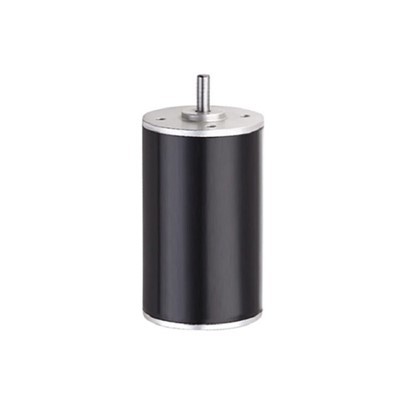
As a supplier of high torque servo motors, I’ve seen firsthand how different applications require different types of motors. We’ve helped a lot of customers make the right choice for their projects. Whether you’re working on a small robotics project or setting up a large industrial production line, we’ve got the expertise to guide you.
AC Servo Motor If you’re in the market for high torque servo motors, I’d love to have a chat with you. We can go over your specific requirements and figure out which motor is the best fit for you. Don’t hesitate to reach out if you’ve got any questions or if you’re ready to start the procurement process.
References
- "Electric Motors and Drives: Fundamentals, Types and Applications" by Austin Hughes and Bill Drury.
- "Servo Motors and Industrial Control Theory" by John Chiasson.
Zibo Auric Mechanical and Electrical Technology Co., Ltd.
Address: B419, High-tech Entrepreneurship Park, High-tech Zone, Zibo City
E-mail: cui@auricmotor.com
WebSite: https://www.auricmotor.com/
