Hey there! I’m a supplier of cleanroom sandwich panels, and I often get asked about the corrosion resistance of these panels. So, let’s dive right in and chat about what makes cleanroom sandwich panels corrosion – resistant. Cleanroom Sandwich Panels
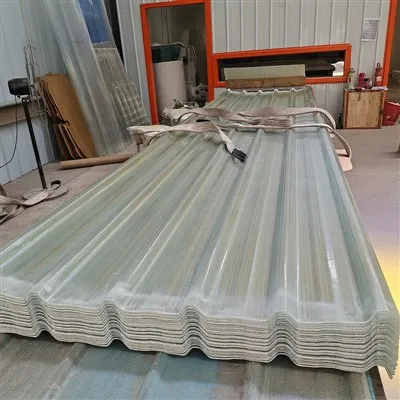
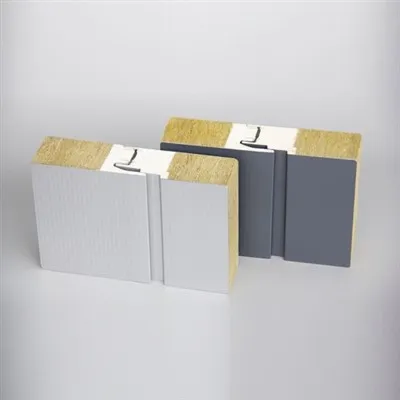
First off, let’s understand what cleanroom sandwich panels are. They’re basically composite panels made up of two outer layers with a core in between. These panels are super important in cleanrooms, which are environments where strict control of contaminants like dust, microbes, and chemical vapors is crucial. Industries such as pharmaceuticals, electronics manufacturing, and food processing rely heavily on cleanrooms, and the quality of the sandwich panels used can make or break the cleanliness and functionality of these spaces.
Now, corrosion. Corrosion is the process by which metals deteriorate due to chemical reactions with their environment. In a cleanroom setting, there are several factors that can cause corrosion. For example, the cleaning agents used in cleanrooms are often strong chemicals. Things like disinfectants, detergents, and solvents are used regularly to maintain the high – level cleanliness. These chemicals can be quite harsh and may react with the surface of the panels if they’re not properly protected.
Moisture is another big culprit. Cleanrooms may have specific humidity requirements, and sometimes, there could be water leakage or high – humidity conditions. When metal comes into contact with water and oxygen, it can start to rust, which is a form of corrosion. Even small amounts of moisture can speed up the corrosion process over time.
So, what makes our cleanroom sandwich panels corrosion – resistant?
The Outer Layers
The outer layers of our sandwich panels play a key role in corrosion resistance. We typically use high – quality metals like galvanized steel or stainless steel. Galvanized steel has a zinc coating on it. Zinc is a sacrificial metal, which means that when it’s exposed to the environment, it corrodes first instead of the underlying steel. This process is called galvanic protection. As long as there’s some zinc left on the surface, the steel is protected from corrosion.
Stainless steel, on the other hand, contains chromium. When stainless steel is exposed to oxygen, a thin, invisible layer of chromium oxide forms on its surface. This layer acts as a barrier, preventing oxygen and water from reaching the metal underneath. So, even in the presence of moisture and chemicals, stainless steel is highly resistant to corrosion.
We also ensure that the metal sheets used for the outer layers are of the right thickness. A thicker sheet provides more durability and better protection against physical damage that could expose the metal to the corrosive environment.
Surface Treatments
In addition to using corrosion – resistant metals, we apply various surface treatments to our panels. One common treatment is powder coating. Powder coating involves applying a dry powder to the metal surface and then baking it at a high temperature. This creates a hard, durable finish that not only looks great but also provides an extra layer of protection against corrosion. The powder coating can resist scratches, chemicals, and moisture, keeping the underlying metal safe.
Another treatment we use is an anti – corrosion primer. Before applying the powder coating or other finishes, we prime the metal surface. The primer contains special chemicals that bond with the metal and prevent the formation of rust. It acts as a buffer between the metal and the environment, further enhancing the corrosion resistance of the panels.
The Core Material
The core material in our sandwich panels also contributes to their overall corrosion resistance. We use materials like polyurethane (PU), polyisocyanurate (PIR), and rock wool. These materials are non – corrosive and have good insulation properties. By choosing a non – corrosive core, we ensure that there are no internal factors that could lead to the corrosion of the outer layers.
For example, rock wool is made from natural rock fibers. It’s inorganic, which means it won’t rot or decay. It also has excellent fire – resistant properties, which is an added bonus in cleanroom applications. Polyurethane and polyisocyanurate are synthetic foams that are highly resistant to moisture and chemicals. They form a stable core that helps maintain the structural integrity of the panel and also doesn’t contribute to the corrosion process.
Testing and Quality Assurance
We don’t just claim that our cleanroom sandwich panels are corrosion – resistant. We back it up with rigorous testing. We conduct salt spray tests, where the panels are exposed to a salt – fog environment for an extended period. This simulates harsh coastal or industrial conditions. If the panels can withstand the salt spray without showing signs of corrosion, it’s a good indication that they’ll perform well in real – world cleanroom settings.
We also test the panels’ resistance to various cleaning agents. We soak samples of the panels in different chemicals for a set time and then check for any signs of damage or corrosion. Only when the panels pass these strict tests do we approve them for production and sale.
Benefits of Corrosion – Resistant Panels
The corrosion resistance of our cleanroom sandwich panels brings several benefits. First of all, it ensures the longevity of the panels. In a cleanroom environment, replacement of panels can be a costly and time – consuming process. By using corrosion – resistant panels, the facility owners can avoid frequent replacements, saving both time and money in the long run.
Secondly, it helps maintain the cleanliness of the cleanroom. Corroded panels can shed particles, which can contaminate the air and the products being manufactured in the cleanroom. Our corrosion – resistant panels keep the cleanroom free from such contaminants, ensuring that the manufacturing processes can run smoothly and the end products meet the high – quality standards.
Why Choose Our Panels
As a supplier, we’re committed to providing the best – quality cleanroom sandwich panels. Our focus on corrosion resistance is just one aspect of our commitment to excellence. We use the latest manufacturing techniques and high – grade materials to ensure that our panels not only resist corrosion but also meet all the other requirements of a cleanroom, such as fire resistance, insulation, and structural strength.
We also offer customized solutions. Every cleanroom is different, and we understand that. Whether you need panels of a specific size, color, or with special features, we can work with you to create the perfect panels for your cleanroom.
If you’re in the market for cleanroom sandwich panels and want to learn more about our corrosion – resistant options, don’t hesitate to reach out. We’re here to answer all your questions and help you make the right choice for your cleanroom. Whether you’re building a new cleanroom or renovating an existing one, we’ve got the panels and the expertise to meet your needs. Contact us to start a conversation about your cleanroom panel requirements and let’s work together to create a high – quality, corrosion – resistant cleanroom environment.
Translucent Fiberglass Panel References
- "Corrosion Science and Engineering," Richard Winfield
- "Handbook of Cleanroom Technology," Peter M. Banks
Handan Donghong Fiberglass & Color Steel Manufacturing Co., Ltd.
Handan Donghong Fiberglass & Color Steel Manufacturing Co., Ltd. is one of the most professional cleanroom sandwich panels manufacturers and suppliers in China, featured by quality products and good price. Please rest assured to wholesale durable cleanroom sandwich panels made in China here and get quotation from our factory. Customized orders are welcome.
Address: South side of the road, 2,000 meters west of the intersection of Nanhuan Road and Airport Road, Hanshan District, Handan City.
E-mail: leo@dhpcfrp.com
WebSite: https://www.dhfrpsheet.com/
